
Men's Health: In-depth Analysis of the Pathological Causes, Harms, and Scientific Treatment Plans for Hypersexuality
Libido refers to the desire for sexual intercourse arising under appropriate stimulation; that is, sexual arousal is achieved under certain stimuli. In healthy men, penile erection occurs when libido reaches a certain level. Calculating the average frequency of intercourse per week or month can reflect the strength of libido.
Changes in libido can be divided into two types: one is hypersexuality, also known as excessive libido, which is less common clinically; the other is hyposexuality or lack thereof, the latter being a more common clinical symptom. Libido is closely related to age and overall health, and individual differences are significant. Therefore, whether or not libido has changed cannot be judged solely based on some phenomena in individual cases; it should be measured by consistent responses. Only a prolonged lack of libido under appropriate sexual stimulation, or a significant change in libido under the same conditions, can be considered abnormal. For example, some unmarried young men claim to have no libido or low libido, but this is actually due to a lack of sufficient sexual stimulation.
Hypersexuality
1. Meaning of Hypersexuality
This condition is relatively rare, mainly characterized by excessive, rapid, and intense sexual arousal. Regardless of gender, the vast majority of people have normal libido; only a small percentage experience increased or decreased libido. Generally speaking, men have a relatively strong libido, although some women may also experience strong and rapid libido, but this is less common. Some people with strong libido may have intercourse 1-2 times per night during their first marriage, which is within the normal range as long as it does not affect their health. Only a very small number of men and women are not satisfied even with daily intercourse, or even several times a day regardless of day or night; these individuals are considered to have hypersexuality (or excessive libido). Both excessively strong and weak libido are signs of poor health. Sexual impulse is considered a reproductive instinct, originating from the function of the gonads, and can be divided into two parts: the "impulse for release" from local sexual organs and the "impulse for intimate contact" for men and women.
2. Possible Factors of Hypersexuality
① Neurological Lesions: Some lesions affect the sexual center in the brain or hypothalamus, including pituitary and gonadal lesions. For example, in the early stages of pituitary or gonadal (testis or ovary) tumors, excessive secretion of gonadotropins and sex hormones (testosterone or estrogen) can lead to hypersexuality. In the later stages of the disease (e.g., when the tumor invades the entire pituitary gland, testis, or ovary), decreased or absent libido occurs.
② Abnormally excessive secretion of testosterone by anterior pituitary gonadotropins or testicular interstitial cells.
③ Abnormal sensitivity of penile tissue to normal or even below-normal levels of testosterone.
④ Overactivity of the hypothalamic hypothalamic hypothalamic hypothalamic sexual desire center.
⑤ Psychogenic Dysfunction: Patients with mental illness may also experience hypersexuality due to neurological dysfunction and decreased inhibitory capacity.
People with these conditions often experience abnormally strong sexual desire, especially during the day, and may engage in activities that involve pursuing young women. Some patients with hypersexuality may have intercourse 7-8 times a day for up to a year. Patients with mental illness or intellectual disabilities also often experience excessive sexual desire, mainly due to a lack of proper control. This issue cannot be easily concluded; necessary examinations and tests are required. For example, a person with a large penis and small, bean-sized testicles may have abnormally sensitive penile tissue to testosterone. Whether excessive sexual desire is a sign of mental illness requires differentiation by a neurologist or psychiatrist.
3. Treatment
① Eliminate the primary disease causing hypersexuality, such as pituitary tumors or gonadal tumors.
② Strengthen exercise. How can normal people reduce sexual urges? The most direct and effective method is exercise. The saying goes, "When people are well-fed and warm, they think of lustful desires." Those with money and leisure time are often prone to indulging in pornography. A man who doesn't like exercise, if he eats a lot, has no way to expend his energy, and his seminal vesicles accumulate too much, making him easily influenced by external temptations, even to the point of self-indulgence. Appropriate physical exercise, such as playing ball or running, can distract attention, reduce excessive excitement of the gonads, allow for balanced heat dissipation, and prevent blood from congesting the sexual organs, naturally promoting physical and mental health.
③ Regular lifestyle: Wash the genitals with warm water before bed, preferably sleep on your side, avoid wearing tight underwear, and ensure the bedding isn't too warm. Avoid drinking coffee before bed. Alternatively, keeping your life busy and active, going to sleep with fatigue, and doing gentle gymnastics before bed can all help control lust, reduce impulses, and avoid reading books or magazines with pornographic content.
④ Under the guidance of a doctor, undergo psychotherapy, or try sedatives and sex hormone therapy (for male hypersexuality, use estrogen from the female hormone family to antagonize its effects).
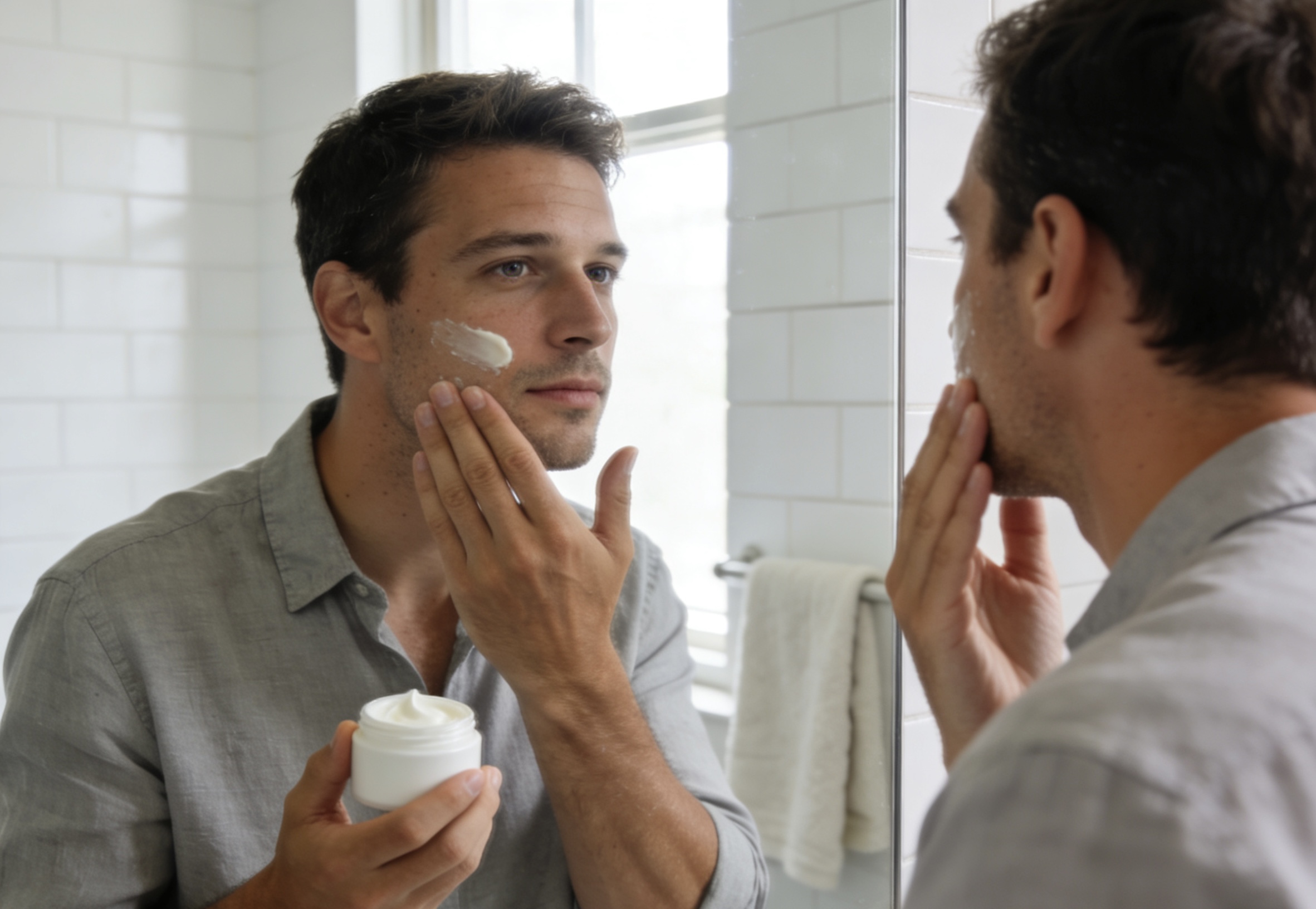
Men's skincare and health care tips for oily and normal skin
This article provides a professional men's skincare guide, focusing on cleansing and oil control for oily skin and balancing care for normal skin. Mastering scientific skincare knowledge helps men maintain healthy skin. These professional skincare methods will allow you to exude confidence and charm through your skincare routine.
2026-03-04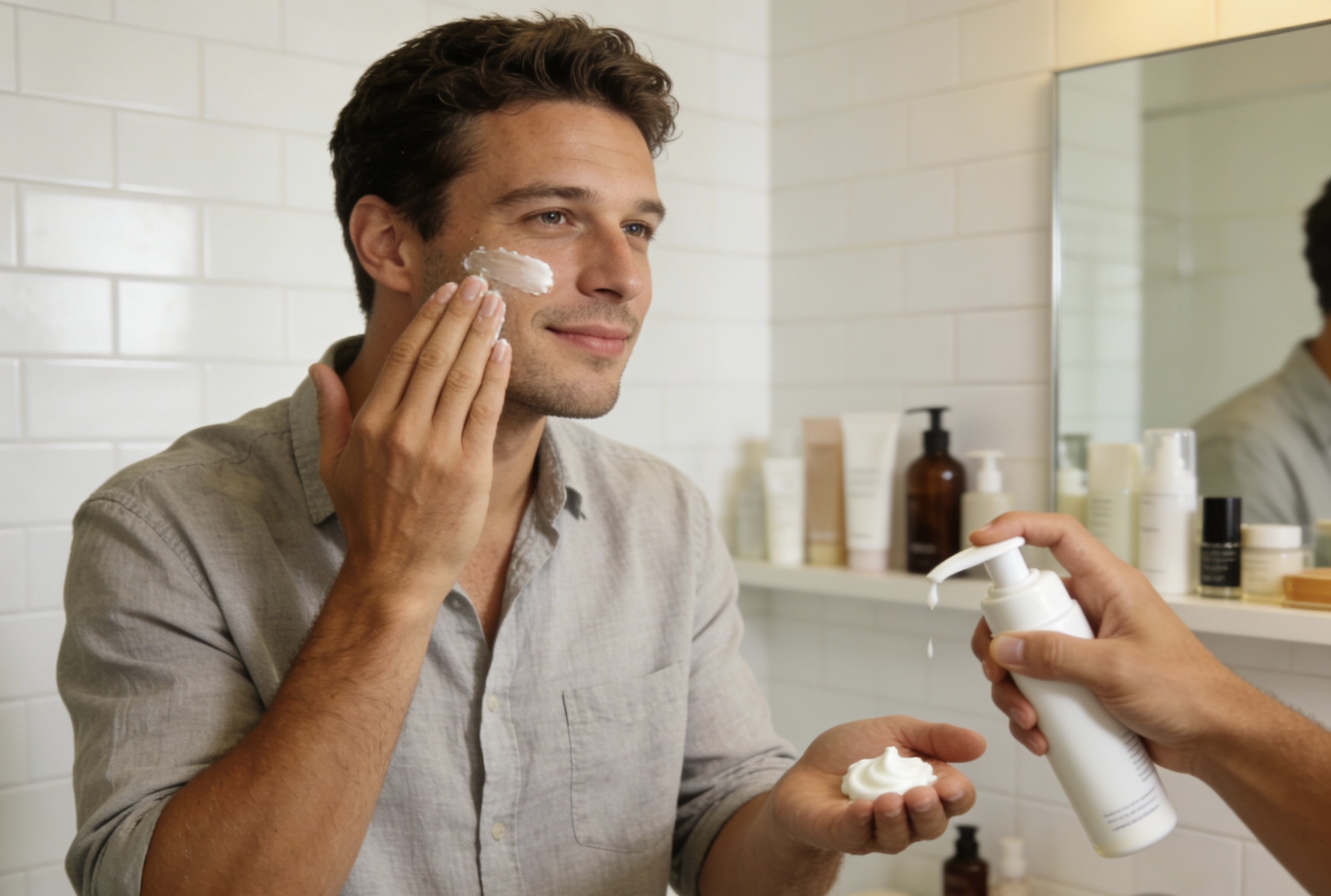
Dry skin care and scientific facial cleansing tips
This article, tailored to the characteristics of dry skin, details a complete skincare routine from cleansing and moisturizing to diet, and introduces the correct steps and techniques for washing your face. Mastering scientific skincare knowledge can help men say goodbye to dryness and roughness. These practical health tips will help you care for your skin's health during your daily cleansing routine.
2026-03-05
Foot washing health tips and hair care knowledge for middle-aged people
This article details the health benefits of hot water foot baths in promoting blood circulation and introduces practical tips for middle-aged men to prevent hair loss. Mastering these daily health tips can help men relieve fatigue and maintain their health. Simple and effective health knowledge allows you to care for your body and mind in the details.
2026-02-28