
Guide to the Prevention and Treatment of Balanitis, Essential Reading for Men's Health
Seminal vesiculitis
Seminal vesiculitis is a relatively common disease among young and middle-aged men. It is caused by Escherichia coli, Klebsiella pneumoniae, Proteus mirabilis, and Pseudomonas aeruginosa. When adjacent organs such as the prostate, posterior urethra, and colon are infected, or when congestion of the prostate or seminal vesicles occurs under any circumstances, harmful bacteria can take advantage of the situation and invade the seminal vesicles, inducing seminal vesiculitis. Clinically, seminal vesiculitis is divided into acute and chronic types.
Acute seminal vesiculitis: Systemic symptoms include general pain, chills and fever, even rigors, high fever, nausea, and vomiting. Urinary symptoms mainly include urethral burning sensation, urinary frequency, urgency, dysuria, terminal hematuria, and dribbling, similar to prostatitis symptoms. It is accompanied by severe pain in the perineum and rectum, which worsens during defecation. In severe cases, it can affect sexual function, causing severe pain during intercourse. A complete blood count (CBC) showed elevated white blood cell count and differential.
Chronic seminal vesiculitis: This often results from a more severe or incompletely treated acute seminal vesiculitis. Some patients develop chronic seminal vesiculitis due to frequent sexual arousal or excessive masturbation, leading to congestion of the seminal vesicles and prostate, and secondary infection. The symptoms of chronic seminal vesiculitis are difficult to distinguish from chronic prostatitis, and they often coexist. The presence of blood in the semen is a characteristic of chronic seminal vesiculitis, and it is difficult to stop spontaneously, appearing every time ejaculation and lasting for several months.
【Treatment Methods】 The seminal vesicles are not organs for storing semen, but rather accessory glands of the male reproductive system. They are a pair of elongated oval sac-like organs located posterior to the base of the bladder and lateral to the ampulla of the vas deferens. They are wider at the top and narrower at the bottom, slightly flattened anteriorly and posteriorly, with an uneven surface. The upper end is free and more swollen, forming the base of the seminal vesicle, while the lower end is thin and straight, forming the excretory duct. Due to the structural characteristics of the seminal vesicle, inflammation can lead to poor drainage, allowing bacteria to easily invade and cause persistent infections, making complete cure difficult. To prevent chronic seminal vesiculitis, both acute and chronic cases should be treated thoroughly.
(1) Selecting appropriate antibiotics: Acute seminal vesiculitis should be treated until symptoms completely disappear, followed by continued medication for 1-2 weeks. Chronic seminal vesiculitis requires continued medication for at least 4 weeks to consolidate the therapeutic effect. Second-generation cephalosporins like Cialis and quinolones like Oxyphenidyl have shown good intravenous efficacy.
(2) Local treatment: Berberine iontophoresis. After defecation, administer 20 ml of 0.1% berberine via enema. Soak a gauze pad in this solution and place it on the perineum, connecting it to the anode of a direct current physiotherapy device. Apply the cathode to the pubic bone. Each session lasts 20 minutes, once daily, with 10 sessions constituting one course of treatment. (2) Warm sitz bath (water temperature 42℃) and perineal hot compress to improve local blood circulation and promote inflammation reduction. Sitz bath time should not be too long to prevent pelvic congestion.
(3) Bed rest: Administer laxatives to maintain regular bowel movements.
(4) Avoid excessive sexual activity: To reduce congestion of the sexual organs.
(5) Regular lifestyle: Balance work and rest, avoid smoking, alcohol, and spicy and irritating foods.
(6) Regular massage: Patients with chronic seminal vesiculitis can have regular (1-2 times per week) seminal vesicle and prostate massage. This is to improve blood circulation in the prostate and seminal vesicles and to promote the discharge of inflammatory substances.
(7) Psychological adjustment: Eliminate the patient's concerns and enhance their confidence in overcoming the disease.
(8) Treatment of Hematospermia: Diethylstilbestrol 1 mg and prednisone 5 mg orally, three times a day, for 2-3 weeks, can usually stop hematospermia.
It should be noted that seminal vesiculitis, especially chronic seminal vesiculitis combined with chronic prostatitis, is prone to prolonged course. Treatment should be persistent, and one must not lose confidence in overcoming the disease, allow the condition to develop, delay treatment, or cause complications such as secondary infertility, leading to lifelong regret.
Balanitis
Inflammation of the glans penis and foreskin often coexist, hence the collective term "balanoposthitis" or "balanoposthitis." As the name suggests, balanoposthitis is a disease caused by simultaneous infection of the glans penis and foreskin. The main cause of balanoposthitis is phimosis or redundant foreskin. In addition, unclean sexual intercourse, drug stimulation, or allergies are also causes. During an acute attack of infection, the affected area is often moist, red, swollen, painful, and itchy, and may even develop erosions and small, shallow ulcers, with yellowish purulent or milky-white discharge and a distinctive odor. In severe cases, necrosis of the glans penis may occur. Following an acute attack, infection can cause adhesions between the foreskin and the glans penis, preventing the foreskin from being retracted and potentially leading to urethral stricture. Some patients develop urethral stricture after the acute phase, causing difficulty urinating. Recurrent infections can cause thickening of the glans penis or foreskin, forming leukoplakia.
When allergic to certain medications, it can sometimes manifest as a fixed, edematous erythema on the glans penis or foreskin, with blisters in the center. Rupture of these blisters can lead to infection. Symptoms usually occur within 24-36 hours of medication administration, improve after discontinuation, and recur upon re-administration of the medication.
[Prevention and Treatment]
Treatment for acute attacks involves retracting the foreskin or making a dorsal incision to facilitate drainage. Locally, the area should be soaked in a 1:5000 potassium permanganate solution or treated with an antibiotic ointment (such as chlortetracycline ointment). Simultaneously, systemic antibiotics should be administered, such as penicillin injections, 800,000 units each time, 2-3 times daily. After the acute phase, circumcision should be performed at a hospital. If urethral stricture is present, plastic surgery may be necessary. For cases caused by drug allergies, antihistamines should be taken.
Phimosis (tight foreskin) easily leads to recurrent balanitis. Regularly retracting the foreskin and cleaning the smegma during bathing is the simplest and most effective way to prevent inflammation. Chronic irritation from smegma and recurrent balanitis are also important factors contributing to penile cancer; therefore, early circumcision is significant in preventing penile cancer.
Balanitis refers to inflammation of the glans penis and the foreskin under the foreskin due to infection, smegma buildup, or other causes. Besides infection and smegma buildup, this common condition can also be caused by friction between the glans and damp clothing, chemicals in clothing, and irritation from contraceptives or creams. Diabetic patients are most prone to balanitis because their urine contains sugar, which promotes bacterial growth. Sometimes, the pain and swelling at the base of the glans can worsen due to difficulty in retracting the foreskin for cleaning. There is a type of balanitis called xerotic balanitis obliterans, the cause of which is currently unknown. It does not cause the redness, swelling, and pain similar to most other types of balanitis; instead, when it flares up, the foreskin and glans become abnormally pale and wrinkled. Although xerotic balanitis obliterans is painless, it prevents the foreskin from retracting and narrows the urethral opening, causing urinary obstruction. The treatment for balanitis involves retracting the foreskin and cleaning the area with a 1:5000 potassium permanganate solution, keeping it dry. If the foreskin cannot be retracted, a dorsal slit can be made to facilitate drainage and cleaning. In addition, certain antibiotics may be taken under the guidance of a doctor. After the inflammation subsides, circumcision is recommended for those with phimosis or redundant foreskin.
After developing balanitis, spicy and hot foods should be avoided, and attention should be paid to penile hygiene.
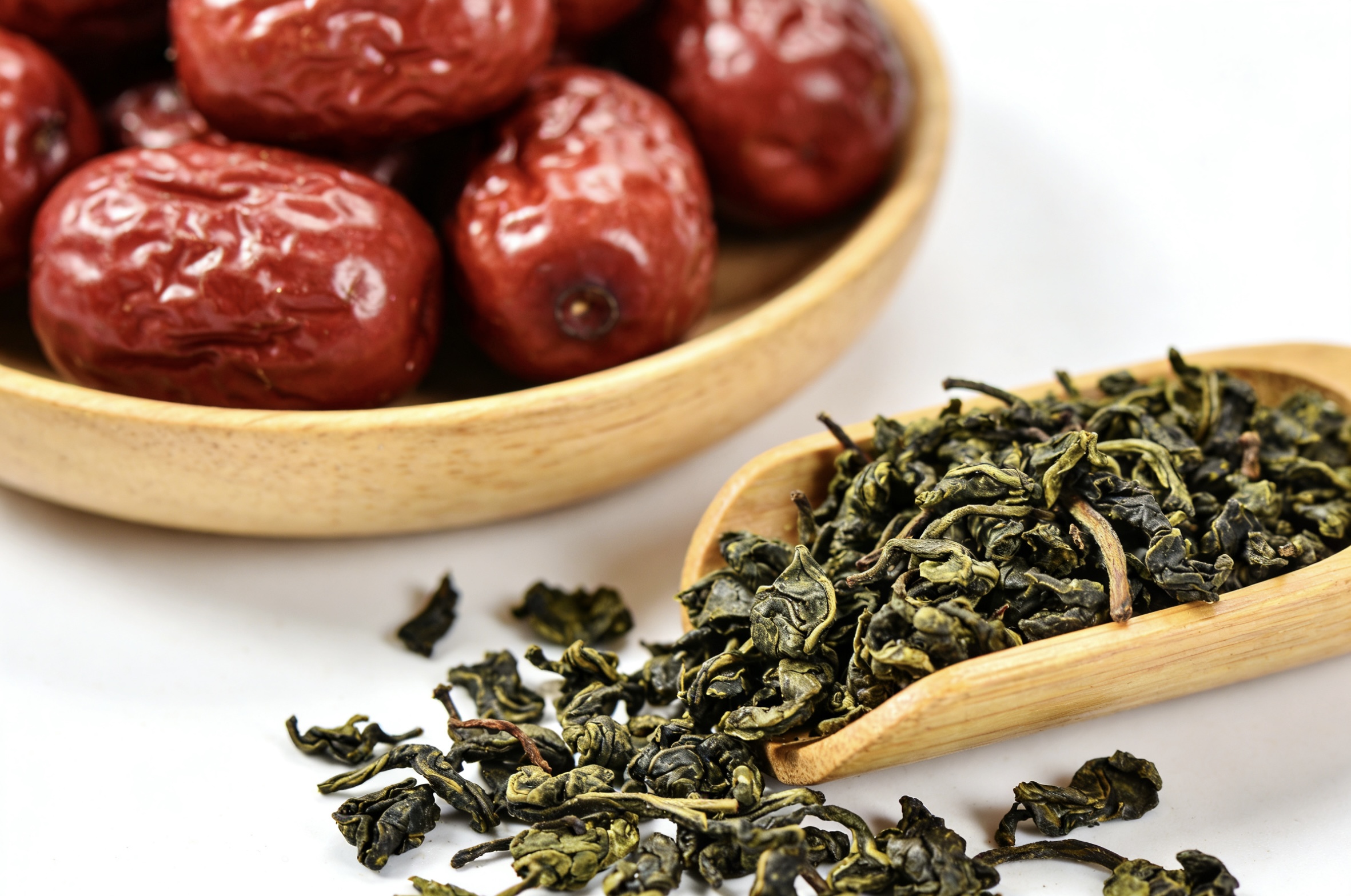
Jujubes and green tea: Two excellent health products and common health knowledge
This article details the health benefits of jujubes, including their ability to invigorate qi and blood, protect the heart, and fight cancer, as well as the scientific basis for the role of polyphenols in green tea in inhibiting esophageal cancer. Mastering these everyday health tips will help men make informed choices about drinks and foods. Practicing correct health knowledge will allow health to become a part of every day.
2026-03-17
Health Guide to Drinking Milk Scientifically and Eating Apples Wisely
This article details the correct storage and consumption methods for milk, as well as the benefits of apples such as enhancing memory and relieving constipation and diarrhea. Mastering a scientific diet is crucial for daily health maintenance. These practical health tips will help you protect your health through your daily diet.
2026-03-18
Men's health details when eating hot pot and drinking wine
This article reminds men to take precautions against parasites, burns, and ensure proper ventilation when eating hot pot, and details the optimal chilling temperatures for red and white wines and champagne to enhance their flavor. Paying attention to these everyday dietary details is an important part of practicing men's health; scientific men's health knowledge allows you to enjoy delicious food and good health.
2026-03-18