
Foot washing health tips and hair care knowledge for middle-aged people
Foot Bath and Health
After a long day at work, most people feel tired, and sometimes their feet feel sore and swollen. This is because the feet are located at the lowest point of the body, farthest from the heart, and blood flows most slowly through them. Due to gravity, acidic metabolites in the blood tend to accumulate in the feet, leading to poor blood circulation and congestion. This can stimulate related acupoints, causing abnormalities in the function of corresponding organs through nerve reflexes. Traditional Chinese medicine believes that there are more than 30 acupoints on the feet, accounting for 10% of all acupoints in the body, all of which are related to various organs. Therefore, men can promote blood circulation, nourish vital energy, and delay aging by washing their feet with hot water before bed each night.
Foot baths require attention to water temperature and quantity. Initially, the water should not be too much; just enough to cover the toes. The water temperature should be between 40 and 50 degrees Celsius. Foot bath water warmer than body temperature dilates blood vessels in the feet, accelerates blood circulation, clears blockages, and enhances blood supply, thereby promoting systemic blood circulation, reducing the accumulation of lactic acid and other substances in the area, and restoring the normal function of corresponding organs. This immediately alleviates muscle fatigue and soreness. After soaking for a few minutes, add water up to above the ankles, maintaining a water temperature between 60-70℃. Rub your feet together to promote water flow, for about 30 minutes each time. When you feel slightly warm, dry your feet and massage them for a few minutes. Then apply a moisturizing cream or lotion. Those with athlete's foot can apply an antifungal cream.
Men who overuse their brains often have an excited state and find it difficult to fall asleep at night. Washing feet with hot water can stimulate nerve endings in the feet, reflexively reducing the excitability of brain cells, allowing them to relax and promoting sleep. This can also have a certain therapeutic effect on those suffering from neurasthenia and insomnia.
Therefore, the old saying "a hot foot bath is better than medicine" is quite true.
Key Tips for Hair Care for Middle-Aged Men
Middle-aged men should strengthen hair care to prevent hair loss. In daily life, they should pay attention to the following aspects:
Avoid nylon combs and brushes. These easily generate static electricity, causing adverse stimulation to the hair. It is best to use boxwood combs and boar bristle brushes, which can remove dandruff, increase hair shine, and massage the scalp to promote blood circulation.
Wash your hair frequently. The ideal interval between washes is 2-5 days. While washing, massage your scalp to keep it clean and improve blood circulation.
Avoid strong degreasing or alkaline shampoos. These shampoos have strong degreasing and dehydrating properties, easily causing dry hair and scalp damage. Choose acidic, natural shampoos that are non-irritating to the scalp and hair.
Moderate alcohol consumption. Especially hot liquor can cause heat and moisture on the scalp, leading to hair loss.
Eliminate mental stress. Anxiety and restlessness can cause hair loss; the more stressful and busy your life, the higher the chance of hair loss. Therefore, middle-aged men should regularly engage in deep breathing, walking, and relaxation exercises to relieve daily mental fatigue.
Be cautious with perming and blow-drying. The hot air from a hairdryer can reach 100℃, damaging hair follicles and the scalp. Therefore, avoid blow-drying and limit the frequency of perming.
Maintain a balanced diet. Hair loss and graying are often caused by insufficient blood and essence, and nutritional deficiencies. Eat more foods rich in iron, calcium, and vitamin A, as well as foods that nourish the hair, such as milk, fruits, walnuts, and fish.
Pay attention to ventilation when wearing hats. Hair does not tolerate heat and humidity. Wearing hats for extended periods can prevent hair from breathing, causing hair loss. Therefore, ensure ventilation when wearing hats, such as by using a hollow liner.

Food safety precautions and guidelines for healthy eating
This article details food safety precautions, including food expiration dates, proper refrigerator use, kitchen hygiene, and the safe selection of various tableware. Mastering scientific food safety knowledge is the primary line of defense for protecting your family's health. Practicing these daily food safety guidelines will ensure you eat with peace of mind and enjoy lasting health.
2026-03-15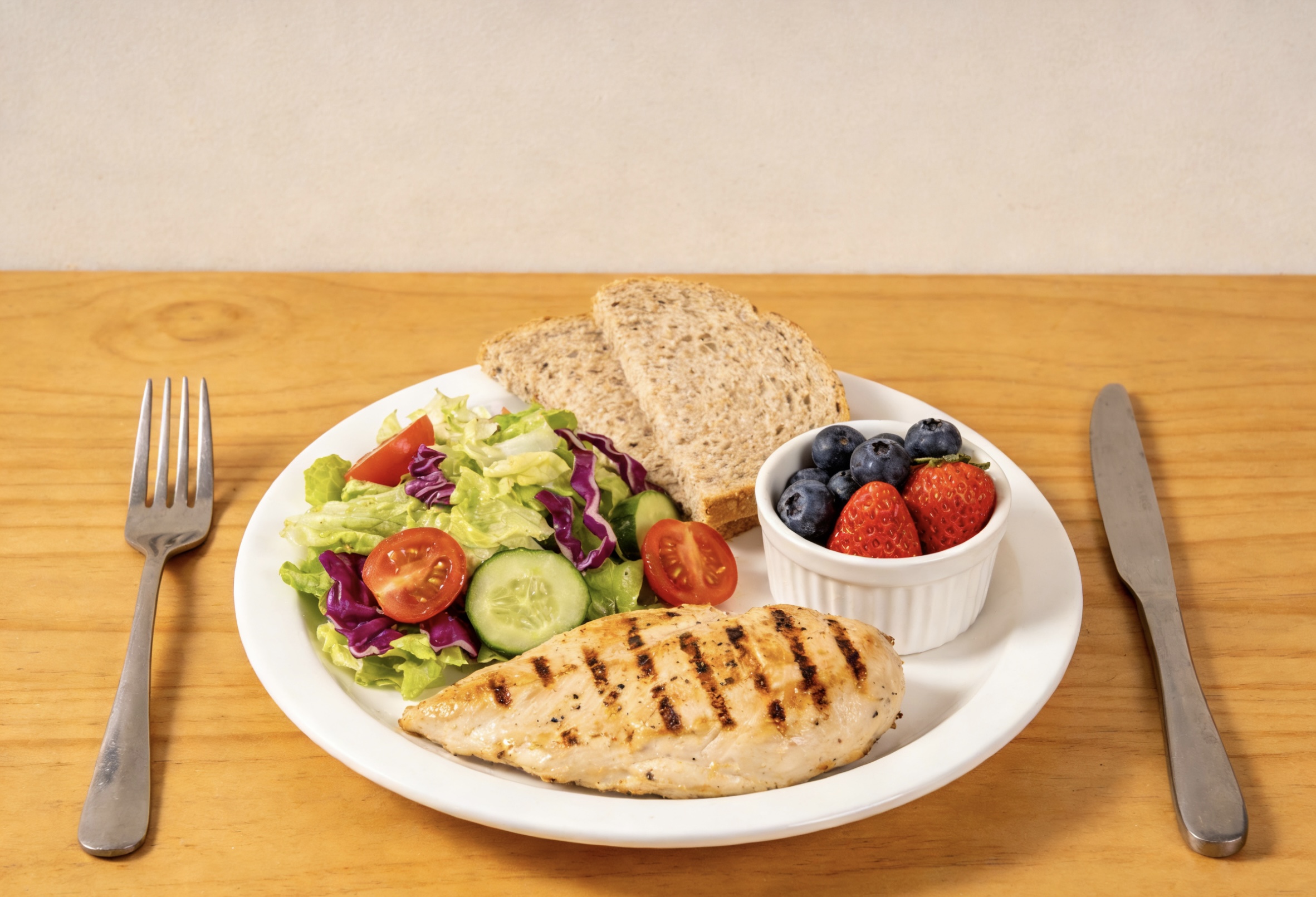
Scientific Dinner Eating Guide and Common Dietary Misconceptions
This article details the scientific basis for eating dinner early, in small portions, and with a preference for vegetarian food, and exposes six common dietary misconceptions, such as eating fruit after meals and stir-frying vegetables with hot oil. Mastering scientific eating habits is an important foundation for protecting your family's health. Correct eating habits ensure that every meal you eat is healthy.
2026-03-15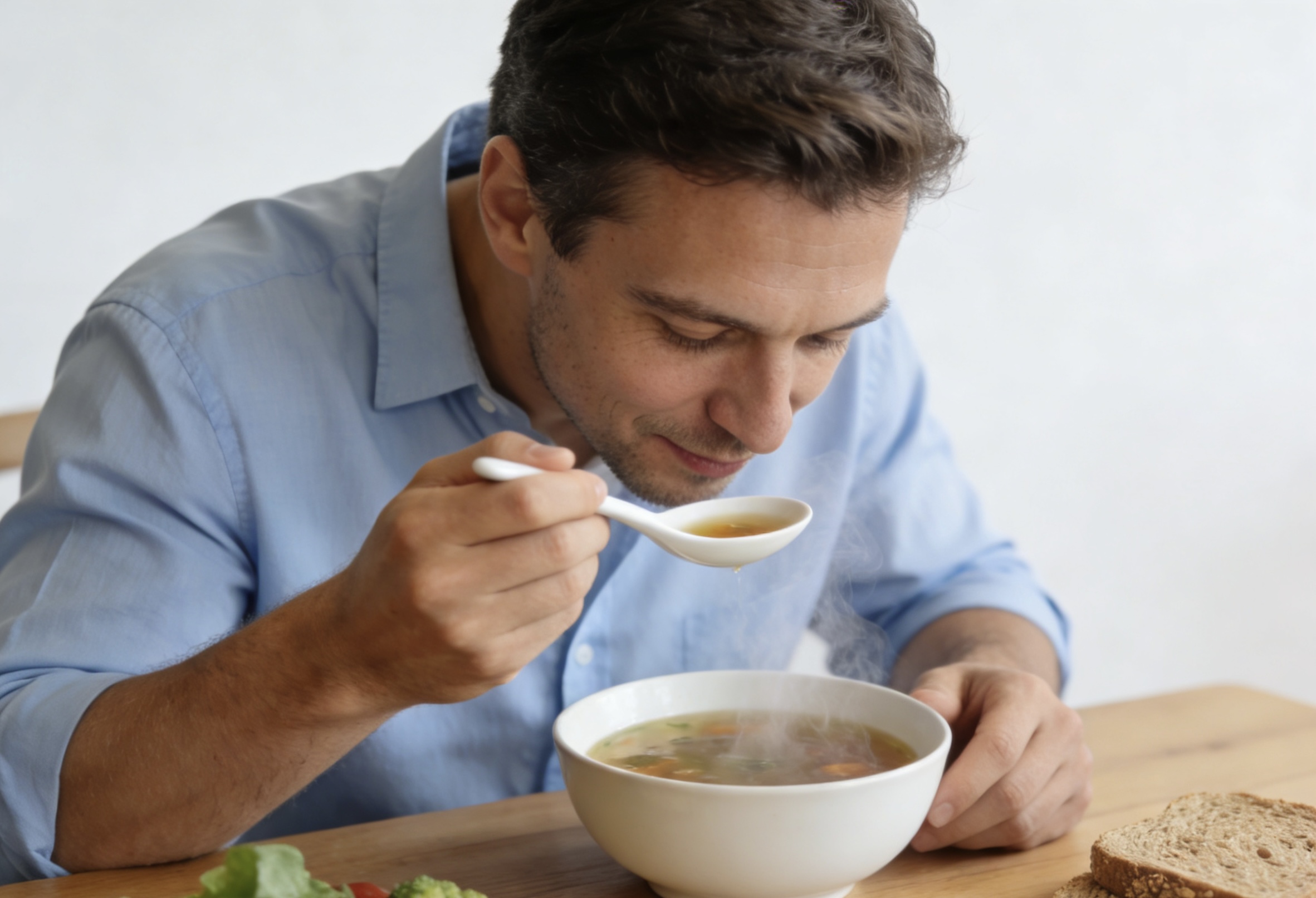
The Art of Soup Drinking and Men's Healthy Eating Guide
This article introduces the health benefits of different soups, such as bean soup for brain health and chicken soup for cold prevention, and explains the correct method for making bone broth to enhance nutrient absorption. A scientific diet is crucial for maintaining men's health, and focusing on men's health should start with a bowl of soup every day.
2026-03-16