
Dietary prevention and treatment of hyperlipidemia and selection of lipid-lowering foods
Dietary Prevention and Treatment of Diabetes
Diabetes is a metabolic disorder caused by insulin deficiency and/or reduced biological effects of insulin. It is a common disease characterized by persistently elevated blood glucose and glycosuria. Diabetes is closely related to diet, and diabetic patients should pay attention to the following points:
Calculate daily calorie intake carefully. For overweight patients, calorie intake should be lower, while for underweight patients, it should be higher to maintain a normal weight.
Maintain a good ratio of the three major nutrients. Generally, the daily calorie intake of diabetic patients should consist of approximately 15% protein, 20%–25% fat, and 60%–70% carbohydrates. Protein intake should be tailored to different types of protein based on kidney function. For those with normal kidney function, grains and legumes are preferable, as they meet nutritional needs and prevent elevated blood lipids. For those with kidney failure, dairy and egg proteins are better, as they have high physiological value and produce less creatinine, urea nitrogen, and uric acid, thus protecting kidney function. Regarding fat intake, to prevent elevated blood lipids, vegetable oils should be the primary source to ensure the required amount of essential fatty acids. Carbohydrate intake should be sufficient; insufficient intake is detrimental to kidney function and, over time, affects cell function and insulin receptor sensitivity.
Cholesterol intake should be limited. High-cholesterol foods are particularly harmful to obese diabetics and should be limited to help control serum cholesterol.
A regular lifestyle and diet are important. Regular and measured meals, medication, exercise, and work are especially important for diabetic patients. Special circumstances such as business trips or attending meetings should also adhere to prescribed eating schedules.
Sugar-containing foods and drinks should be avoided. Sugary snacks, fruits, beverages, and alcoholic drinks should all be avoided. Patients with mild symptoms after their condition has improved can appropriately increase fruit intake, but not excessively.
Dietary Prevention and Treatment of Hyperlipidemia
High blood lipids are one of the important causes of arteriosclerosis and coronary heart disease. Patients with hyperlipidemia need to strictly control their cholesterol intake. Long-term excessive cholesterol intake can disrupt the "dynamic balance" of cholesterol in the body. Disorders of lipid metabolism in the human body can lead to cholesterol accumulation in tissues, causing hyperlipidemia and ultimately resulting in arteriosclerosis and coronary heart disease. A reasonable diet is one of the important measures for preventing and treating hyperlipidemia.
Eat less food high in cholesterol, such as egg yolks, animal brains, animal organs, and certain crustaceans like clams and snails. Try to eat lean meats and fish, which are lower in cholesterol.
Patients with hyperlipidemia also need to limit their intake of animal fats high in saturated fatty acids. This is because cholesterol can only dissolve in saturated fatty acids and deposits on the arterial intima, increasing blood cholesterol levels and gradually leading to arteriosclerosis. Unsaturated fatty acids, on the other hand, can lower blood cholesterol levels, which is beneficial for preventing and treating hyperlipidemia and arteriosclerosis. Fish fat contains a large amount of unsaturated fatty acids, and the degree of unsaturation is very high, which is beneficial for preventing and treating hyperlipidemia and arteriosclerosis.
The order of saturated fatty acid content in commonly used fats from highest to lowest is: mutton fat → beef fat → lard → duck fat → chicken fat. Similarly, the order of unsaturated fatty acid content in vegetable oils from highest to lowest is: sunflower oil → soybean oil → cottonseed oil → corn oil → sesame oil → peanut oil → rapeseed oil. Understanding the fatty acid content of oils helps in making informed dietary choices. To prevent hyperlipidemia, it is recommended to reduce the use of animal fats and replace them with vegetable oils.
Foods that can help lower blood lipids include: ginger, garlic, onions, soybeans, corn, milk, fish, black fungus, tea, honey, leeks, dates, ginkgo, hawthorn, bananas, radishes, and celery root.
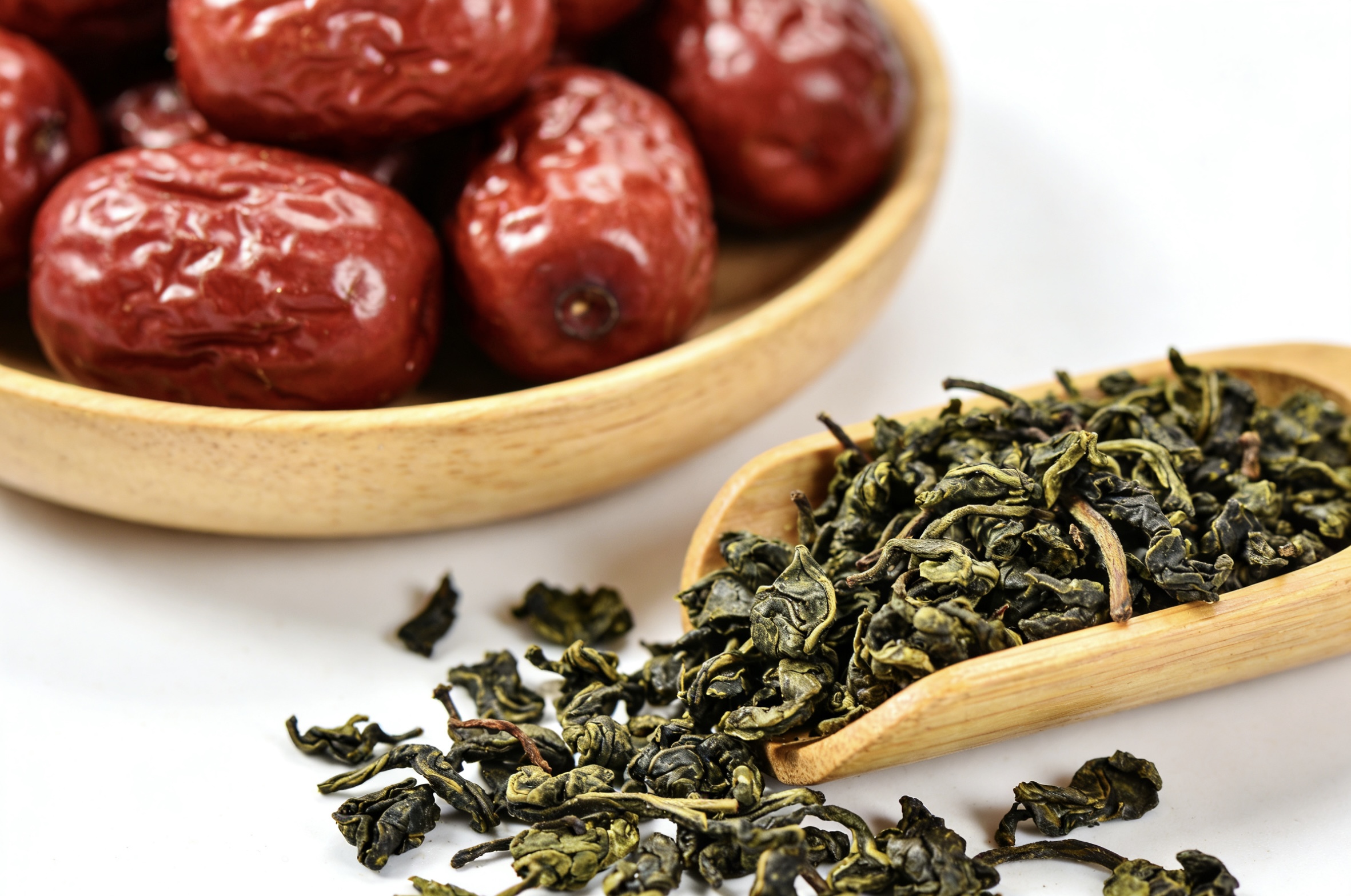
Jujubes and green tea: Two excellent health products and common health knowledge
This article details the health benefits of jujubes, including their ability to invigorate qi and blood, protect the heart, and fight cancer, as well as the scientific basis for the role of polyphenols in green tea in inhibiting esophageal cancer. Mastering these everyday health tips will help men make informed choices about drinks and foods. Practicing correct health knowledge will allow health to become a part of every day.
2026-03-17
Health Guide to Drinking Milk Scientifically and Eating Apples Wisely
This article details the correct storage and consumption methods for milk, as well as the benefits of apples such as enhancing memory and relieving constipation and diarrhea. Mastering a scientific diet is crucial for daily health maintenance. These practical health tips will help you protect your health through your daily diet.
2026-03-18
Men's health details when eating hot pot and drinking wine
This article reminds men to take precautions against parasites, burns, and ensure proper ventilation when eating hot pot, and details the optimal chilling temperatures for red and white wines and champagne to enhance their flavor. Paying attention to these everyday dietary details is an important part of practicing men's health; scientific men's health knowledge allows you to enjoy delicious food and good health.
2026-03-18