
Prevention and treatment of non-gonococcal urethritis and syphilis: A guide to men's health.
Nongonococcal urethritis
Nongonococcal urethritis, formerly known as nonspecific urethritis, has become the most common sexually transmitted disease in Western countries since the 1970s. Nongonococcal urethritis refers to urethritis caused by sexually transmitted pathogens, rather than the presence of gonococci in urethral discharge. The main pathogens causing nongonococcal urethritis are *Chlamydia trachomatis* and *Mycoplasma urealyticum*. Nongonococcal urethritis is primarily transmitted through unprotected sex or poor personal hygiene, and is particularly prevalent among sexually active young adults. Males transmit the virus to women in 30%–70% of cases, while women transmit it to men in 25%–50%.
Infected women can ascend from the uterine cavity to the abdominal cavity, leading to organ infections, and can also be transmitted to the newborn through the birth canal. The incubation period for this disease is 1-3 weeks or even several months, and the main manifestation is urethritis. Male patients initially experience itching and stinging in the urethra and urethral opening, followed by urinary urgency, dysuria, urinary frequency, and difficulty urinating. These symptoms are similar to gonococcal urethritis, but milder. A sticky, clear, watery discharge is discharged from the urethra, and the urethral opening is slightly red, swollen, or congested, remaining moist for a prolonged period. Female patients often have less noticeable symptoms of urethritis, but may experience increased vaginal discharge, cervicitis, and vaginitis. Male patients often develop complications such as seminal vesiculitis, prostatitis, or epididymitis. Homosexuals may experience anal pain and proctitis. Female patients may develop complications such as Bartholin's gland inflammation and salpingitis; the pathogen can also spread from the uterus to the abdominal cavity, causing peritonitis or perihepatitis.
This disease corresponds to the categories of urinary tract infection and leukorrhea in Traditional Chinese Medicine. It is caused by excessive sexual activity and sexual indulgence, leading to depletion of kidney yin and subsequent heat generation due to yin deficiency.
【Drug Therapy】
(1) Tetracycline: The first-line drug, 50 mg each time, four times a day, for 14 days.
(2) Doxycycline: 0.1 g each time, twice a day orally, for 7 days.
(3) Mancozeb: 0.2 g once on the first day, then 0.1 g each time, twice a day orally, for 7-10 days.
(4) Erythromycin: 0.5 g each time, four times a day orally, for 14 days. In cases of mixed infection with Chlamydia and Neisseria gonorrhoeae, penicillin is used to treat gonorrhea first, followed by tetracycline for non-gonococcal urethritis, or a combination of both.
Untreated, this disease can persist for several months, and symptoms generally do not disappear spontaneously. Isolation and avoidance of sexual activity are necessary during the illness. Sexual partners or contacts may be asymptomatic but should receive the same course of tetracycline treatment.
Syphilis
Syphilis is a chronic, systemic infectious skin disease primarily transmitted through sexual intercourse or placental infection with *Spiraea pallida*.
There are four modes of transmission:
① Sexual transmission: Infection can occur through sexual contact with an infected person.
② Contact with clothing, hands, bedpans, and medical instruments contaminated with the syphilis pathogen.
③ Transmission during pregnancy: Syphilis can be transmitted from a pregnant woman to the fetus through the placenta.
④ Transmission via blood transfusion: Less common.
The incubation period for syphilis infection is 10–90 days, with an average of 3 weeks. Patients usually develop primary lesions 3–4 weeks after infection, typically on the external genitalia. In men, lesions are most commonly found on the coronal sulcus and adjacent areas, while in women, they are more common on the labia majora, other parts of the vulva, and the cervix; they are less common in the rectum and vagina. The lesions are round or oval indurations with slightly raised edges, ulcerated surfaces, and surrounding edema. They can be single or multiple and are called chancres.
This disease corresponds to the categories of syphilis sores and syphilitic sores in traditional Chinese medicine. Treatment should focus on clearing heat and detoxifying, and promoting blood circulation.
【Drug Therapy】
1. Early Syphilis
(1) Benzathine penicillin: 2.4 million units each time, injected intramuscularly into both buttocks, once a week for a total of 2–3 times. (2) Procaine penicillin: 800,000 units daily, intramuscular injection, for 10-15 days, total dose 8-12 million units.
(3) Tetracycline: For those allergic to penicillin, 0.5 g each time, 4 times daily, orally for 15 days.
(4) Doxycycline: 0.1 g each time, twice daily, orally for 15 days.
2. Late Syphilis
(1) Benzathine penicillin: 2.4 million units each time, intramuscular injection, once a week, for a total of 3 times.
(2) Procaine penicillin: 800,000 units daily, intramuscular injection, for 20 days.
(3) Tetracycline: For those allergic to penicillin, 0.5 g each time, 4 times daily, orally for 20 days. (4) Doxycycline: 0.1 g each time, twice daily, orally for 30 consecutive days.
3. Cardiovascular Syphilis
If heart failure occurs, it should be treated first. Once cardiac function is compensated, penicillin should be injected in small doses, such as aqueous penicillin. The first day, 100,000 units, once daily, intramuscular injection; the second day, 100,000 units, twice daily, intramuscular injection; the third day, 200,000 units, twice daily, intramuscular injection; from the fourth day onwards, treatment should follow the following regimen:
① Procaine penicillin: 800,000 units daily, intramuscular injection, for 15 consecutive days as one course of treatment, for a total of two courses, with a 2-week break between courses.
② Tetracycline: Suitable for those allergic to penicillin, 0.5 g each time, four times daily, orally for 30 consecutive days.
4. Neurosyphilis
(1) Penicillin, 12 million units daily, intravenous drip (2 million units every 4 hours), for 14 consecutive days.
(2) Procaine penicillin, 1.2 million units daily, intramuscular injection; simultaneously, oral probenecid, 0.5 g each time, 4 times daily, for a total of 10-14 days; if necessary, use benzathine penicillin, 2.4 million units each time, intramuscular injection, once a week, for a total of 3 times.
This disease is mainly transmitted through sexual contact, therefore, one should practice abstinence and self-discipline. Sexual partners should be examined and treated simultaneously, and isolation should be maintained. Clothing and bedding should be disinfected. Avoid spicy and irritating foods, abstain from alcohol, and avoid overwork. Treatment should be systematic, complete, and in sufficient doses.
The diagnosis of syphilis must be clear. The earlier the treatment, the better the effect. The dosage of medication must be sufficient, the course of treatment must be regular, and follow-up observation is necessary after treatment. When penicillin is used to treat syphilis, the Herxheimer reaction can occur in patients at all stages after the first injection, manifesting as fever, increased bone pain, and increased rash. In patients with neurosyphilis, penicillin treatment can worsen existing neurological symptoms because penicillin kills a large number of Treponema pallidum bacteria, releasing toxins from the dead spirochetes. To avoid the Herxheimer reaction, prednisone 10 mg can be taken orally twice daily for three consecutive days, one day before the penicillin injection.

Health Tips for Cold Resistance Training and Winter Exercises
This article analyzes how cold acclimatization training starting in autumn can improve the body's temperature regulation ability, and details the locations, cold protection, and warm-up activities to consider when exercising in winter. Mastering scientific health knowledge can help men safely get through the winter and improve their physical fitness. These practical health tips will make your winter exercise healthier and more effective.
2026-03-20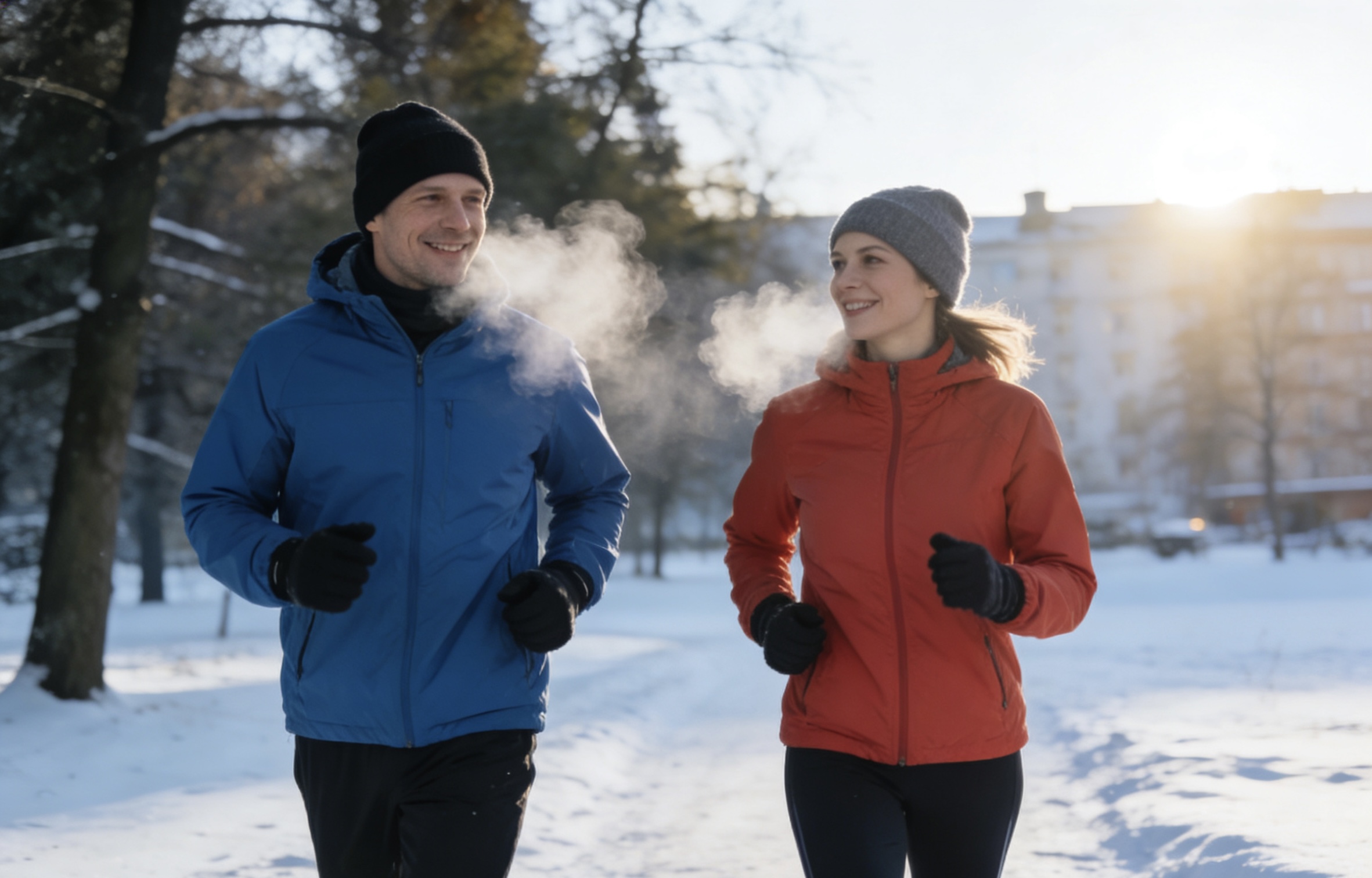
Health Tips for Winter Long-Distance Running: Protective Measures and Good Posture
This article details the essential warm-up techniques and the use of both mouth and nose for protection during winter long-distance running, and introduces the positive effects of maintaining good posture on fat burning and disease prevention. Mastering scientific health knowledge can help men avoid risks and cultivate an upright physique during exercise. These practical health tips will make your winter workouts healthier and more effective.
2026-03-20
Abdominal slimming exercises and healthy cooking: a new scientific approach to weight loss
This article introduces a simple and easy-to-follow set of abdominal exercises for men to effectively eliminate "beer bellies." It also reveals how cooking can stimulate the right brain and enhance marital relationships, thus benefiting men's physical and mental health. Scientific weight loss and a healthy lifestyle allow you to slim down through exercise and find happiness in the simple pleasures of home cooking.
2026-03-20