
Men's Health: An Analysis of the Causes of Premature Ejaculation and Anejaculation and a Guide to Systematic Behavioral Therapy
Premature Ejaculation
Premature ejaculation is a common symptom and one of the most frequent problems among male sexual dysfunctions. What most people refer to as premature ejaculation is actually short intercourse time. Newlywed couples experiencing their first sexual encounter may ejaculate immediately upon contact with the female genitalia or immediately after penile penetration due to excitement and heightened arousal. This is not premature ejaculation, but rather premature ejaculation. Strictly speaking, premature ejaculation only occurs when ejaculation happens before any contact with the woman or within one minute of penile penetration, preventing normal intercourse.
Most cases of premature ejaculation are related to psychological factors, resulting from increased excitation of the sexual center in the cerebral cortex. For example, newlywed couples may experience premature ejaculation due to a lack of sexual knowledge, difficulty understanding each other's psychological and physiological characteristics during intercourse, and insufficient cooperation. In some cases, the psychological pressure caused by initial sexual failure can lead to a series of health problems. Fear and anxiety are often triggers for premature ejaculation. Similarly, prolonged indulgence, excessive sexual activity, and frequent masturbation can also induce premature ejaculation. Premature ejaculation caused by organic lesions is not uncommon clinically, such as chronic prostatitis, posterior urethritis, seminal vesiculitis, seminal colliculitis, cerebrospinal lesions, diabetes, alcohol or morphine poisoning, all of which can cause premature ejaculation.
In addition, excessive sexual activity after marriage, physical fatigue, and lack of coordination and cooperation between spouses are also contributing factors that should not be ignored. Traditional Chinese medicine believes that the pathogenesis of premature ejaculation involves the heart, liver, spleen, and kidneys; the causes include congenital deficiency, excessive sexual activity, prolonged illness, improper diet, and emotional distress; the basic pathogenesis is deficiency of the internal organs and weakened seminal control, and damp-heat disturbing the seminal gate.
The main symptoms are: ejaculation before or immediately upon penetration, or shortly after vaginal penetration, without reaching orgasm, followed by penile flaccidity. This may be accompanied by systemic symptoms such as depression, anxiety, dizziness, fatigue, and memory loss. Specifically, it can be divided into:
① Situational premature ejaculation: The condition changes when changing sexual partners.
② True premature ejaculation (also known as complete premature ejaculation): Premature ejaculation occurs with different partners in different situations.
③ Primary premature ejaculation: Never having achieved good ejaculatory control, while other aspects of health are normal. Often caused by psychological factors.
④ Secondary premature ejaculation: Previously having good ejaculatory control, but later developing premature ejaculation. Mostly caused by organic factors.
Comprehensive Treatment: Both partners should understand the true meaning of premature ejaculation to avoid misinterpreting normal situations as premature ejaculation. If premature ejaculation occurs occasionally, the woman should comfort the man and help him eliminate worries and tension.
After diagnosis, it's important to let go of burdens, build confidence, and cooperate with treatment. The state of mind before intercourse greatly affects the speed of ejaculation. Excitement and tension often lead to premature ejaculation. Excessive movements during intercourse increase stimulation intensity and often accelerate ejaculation. Avoiding masturbation and moderating sexual activity are beneficial for preventing and treating premature ejaculation. Engaging in appropriate recreational activities, such as listening to music, exercising, regulating emotions, and improving physical fitness, all help prevent and treat premature ejaculation. In addition, one should abstain from alcohol, eat less spicy food, and eat more seafood, soy products, fish, shrimp, and other foods that nourish yang and replenish essence to improve physical fitness.
During sexual intercourse, methods such as "anti-ejaculation" and "squeezing" can be used. The man focuses on his own sensory experience, while the woman uses her hand to stroke the penis. When the man has a moderate erection but does not yet feel the urge to ejaculate, the woman stops. After a short while, once the sexual arousal subsides, stimulate the penis again. There will usually be a temporary, partial loss of erection, which will re-erect upon re-stimulation. This exercise needs to be repeated several times by the wife before intercourse to gradually raise the "threshold" required for ejaculation, delaying the excitation of the ejaculation center and thus prolonging the duration of intercourse.
Anejaculation
Ejaculation refers to the process of semen being expelled from the urethra at the end of intercourse. Normal intercourse ends with ejaculation, after which the penis begins to flaccid. However, occasionally intercourse does not end with ejaculation; without ejaculation, sexual orgasm cannot be achieved. Of course, anejaculation will inevitably lead to infertility. A patient with this condition can achieve a normal erection during intercourse, but cannot ejaculate or cannot ejaculate inside the woman's vagina during orgasm, thus failing to reach sexual climax. After a period of erection, the penis will gradually soften. Ejaculatory dysfunction is defined as the inability to ejaculate within 45 minutes of intercourse, accompanied by physical fatigue.
Ejaculatory dysfunction can be divided into primary and secondary types. Primary anejaculation refers to the inability to ejaculate within the vagina during erection. Secondary anejaculation refers to the loss of the ability to ejaculate within the vagina, despite a history of previous ejaculation. The specific causes of anejaculation include the following five:
① Psychological barriers: sexual ignorance, lack of proper understanding of sexual life, feelings of guilt during masturbation or ejaculation, or the female partner's fear of pain during intercourse leading to restriction of male thrusting.
② Insufficient stimulation of the sexual nerve center: Supplementation with androgens such as methyltestosterone is recommended.
③ Excessive vaginal laxity in the female partner: Insufficient stimulation of the penis or lack of penile sexual pleasure.
④ Endocrine system disorders and insufficient sex hormone secretion: Supplementation with androgens such as methyltestosterone is recommended. ⑤ Phimosis, etc.: Itching of the glans penis during vaginal friction, or paraphimosis, pain, and forced interruption of intercourse.
Most cases of anejaculation are caused by psychological factors. Patients may experience nocturnal emissions, and sometimes ejaculation can occur during masturbation, but intercourse ends in flaccidity after a certain period. Psychogenic anejaculation accounts for approximately 90% of anejaculation cases, with the remaining 10% caused by diseases of the urinary or reproductive systems. Organic causes of anejaculation include peripheral neuropathy caused by diabetes, spinal cord injury, pelvic fracture, and posterior urethral injury. Many medications, such as chlorpromazine (used to treat mental illness) and guanethidine (an antihypertensive drug), can also cause anejaculation. Congenital testicular hypoplasia or acquired atrophy, vas deferens ligation or atresia, inflammation, stones, or strictures of the epididymis, seminal vesicles, or prostate, and inflammation, stones, or adhesions of the posterior urethra and seminal colliculus can all cause anejaculation or difficulty ejaculating.
Treatment Methods
The key to treating anejaculation is identifying the cause and thoroughly understanding the patient's sexual history. For anejaculation caused by psychological factors, sensate focus therapy can be used to eliminate the contributing factors. During intercourse, all worries unrelated to sexual activity should be eliminated, and emotions and feelings should be focused on the sexual experience. The female partner plays a very important role in the treatment. Inducing ejaculation through various methods employed by the female partner is crucial for successful treatment. The woman stimulates the penis. If ejaculation is induced on the first attempt with the woman's manual stimulation, both partners will gain confidence. After the penis becomes erect, the woman can stroke the scrotum and press it against the pubic symphysis. This can induce ejaculation when the man is highly aroused. The man should simultaneously instruct the woman on the appropriate force and timing. When the man reaches orgasm and feels he is about to ejaculate, the woman should adopt a superior position for intercourse, quickly inserting the penis into the vagina and continuing to stimulate it. This often induces ejaculation. If unsuccessful, this can be repeated multiple times. With good coordination between both partners, it can generally be cured.
Ephedrine can be taken orally under the guidance of a doctor, 25-30 mg before bedtime, for 1-4 weeks. Levodopa 250 mg, four times daily, can also be taken orally. Patients with ejaculatory dysfunction should avoid taking tranquilizers and certain antihypertensive drugs during treatment, as these drugs themselves can cause ejaculatory dysfunction as a side effect. Under the guidance of a doctor, an electric massager can also be used to induce ejaculation. Initially, it may require continuous stimulation for 10-15 minutes, but later ejaculation can be achieved in just 5 minutes. The stimulation should primarily target the glans penis, but can also be moved up and down along the shaft of the penis.
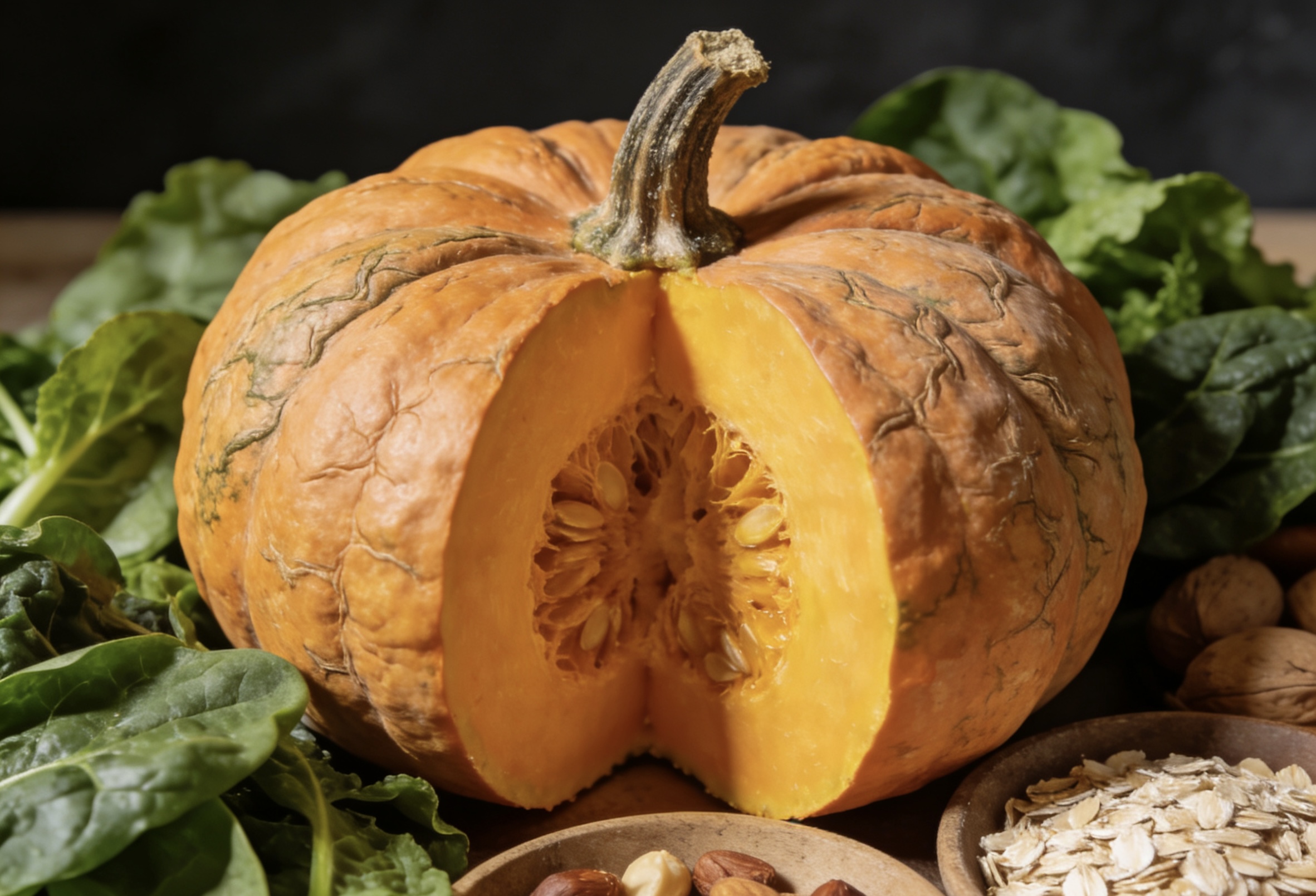
Foods that promote bowel movement and detoxification, and the detoxifying effects of pumpkin.
This article introduces foods that promote bowel movement and detoxification, such as black fungus, konjac, and kelp, and details the rich nutritional benefits of pumpkin, including its ability to replenish qi, prevent diabetes, and remove heavy metals. Detoxification through a scientific diet is an important way to maintain good health. Proper dietary detoxification makes the body feel lighter.
2026-03-17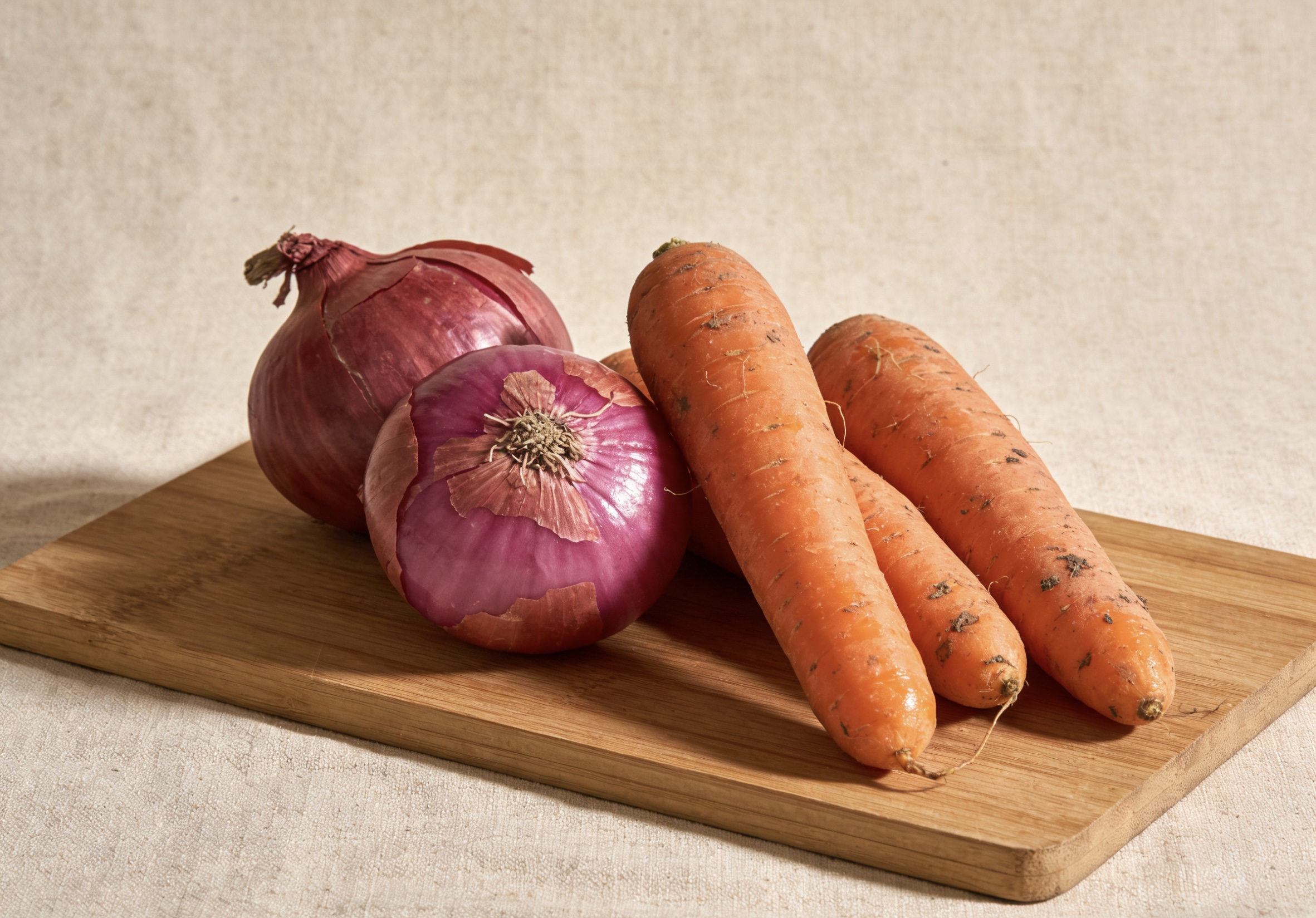
Health benefits of onions and carrots
This article details the health benefits of onions, known as the "Queen of Vegetables," in lowering blood pressure and cholesterol, and preventing cancer and other diseases, as well as the nutritional advantages of carrots, often called "little ginseng," which are rich in carotene. Mastering these everyday health tips will help men make informed food choices, and scientific health knowledge leads to a healthier diet.
2026-03-17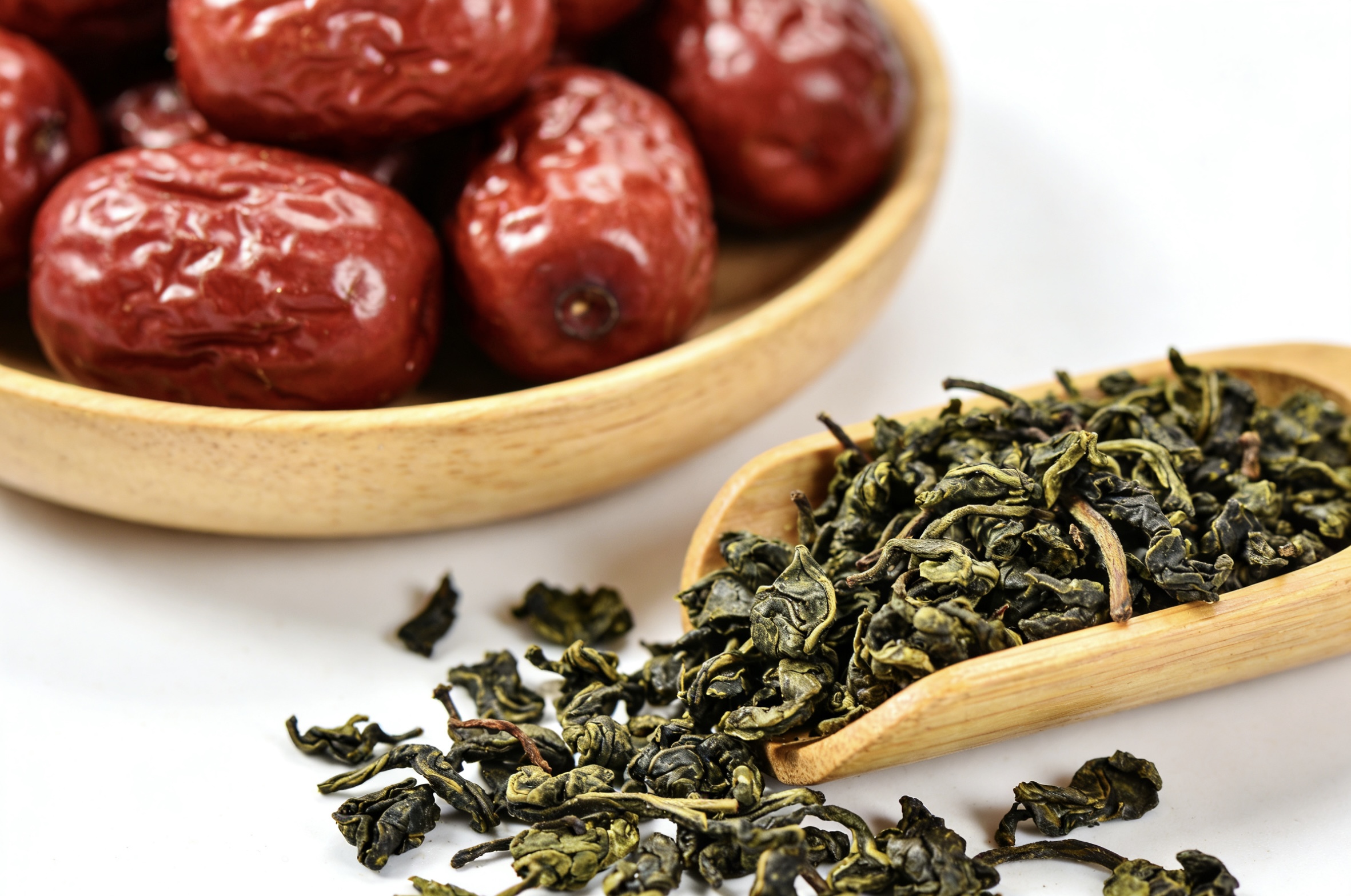
Jujubes and green tea: Two excellent health products and common health knowledge
This article details the health benefits of jujubes, including their ability to invigorate qi and blood, protect the heart, and fight cancer, as well as the scientific basis for the role of polyphenols in green tea in inhibiting esophageal cancer. Mastering these everyday health tips will help men make informed choices about drinks and foods. Practicing correct health knowledge will allow health to become a part of every day.
2026-03-17