
Comprehensive Health Guide for Male Contraception and STD Prevention
Male Contraception
Penimal condoms, also known as contraceptive condoms or safety condoms, are high-quality, thin latex products.
Their function is to prevent semen from entering the vagina, thus achieving contraception and preventing sexually transmitted diseases.
When using condoms, pay attention to the following:
Use them every time;
Choose the correct size;
Check for leaks before use;
When using, pinch the reservoir tip to expel air;
After ejaculation, before the penis softens, hold the top of the condom and withdraw it along with the penis;
For single use only;
Do not store for too long and keep away from high temperatures;
Avoid contact with oils, acidic or alkaline substances;
When reaching orgasm and feeling close to ejaculation, withdraw the penis from the vagina to expel the semen outside the vagina, achieving contraception.
Although this method is simple, timing is difficult, the failure rate is high, and it can easily cause tension for both partners, affecting the quality of sexual life.
Vasectomy, or ligation of the vas deferens, prevents sperm from meeting the egg, thus achieving contraception.
Because vasectomy is simpler than tubal ligation in women, men are encouraged to participate in family planning. Vasectomy does not affect future work (including physical labor) or sexual life. If necessary, vas deferens anastomosis can be performed to restore patency.
Prevention and Control of Sexually Transmitted Diseases (STDs)
Sexually transmitted diseases (STDs) are a group of diseases primarily transmitted through sexual activity. The World Health Organization classifies more than 20 diseases as STDs, including gonorrhea, genital warts, non-gonococcal urethritis, genital herpes, syphilis, HIV/AIDS, chancroid, and lymphogranuloma venereum. In my country, several common STDs other than HIV/AIDS are still commonly referred to as sexually transmitted diseases (STDs).
How are sexually transmitted diseases (STDs) transmitted?
STDs are primarily transmitted through infected individuals and through blood-borne transmission of the pathogen. There are five main routes of transmission:
① Sexual intercourse
② Blood-borne transmission
③ Mother-to-child transmission
④ Close contact in daily life
⑤ Iatrogenic transmission
Symptoms and signs of STDs
Systemic symptoms:
Fever
Weakness
Joint pain
Loss of appetite
Weight loss
Skin symptoms and signs:
① Pain
② Itching
③ Abnormal sensations (numbness, tingling, tightness, etc.)
④ Rash
Primary: Macules, patches, papules, hemorrhagic vesicles, abscesses, etc.
Secondary: Scaling, crusting, erosion, ulceration, lichenification, etc.
Symptoms and signs of the urogenital system:
① Dysuria
② Frequent urination, urgency
③ Urinary retention
④ Urinary incontinence
⑤ Purulent urethral discharge
If you have a history of unprotected sex and the above clinical symptoms, and suspect you have a sexually transmitted disease (STD), you should:
(1) Eliminate your concerns and go to a reputable medical institution as soon as possible. These institutions include professional STD prevention and control institutions, hospitals, and STD clinics of other health departments. Do not seek medical advice based on street advertisements, as this will waste money and may delay your treatment.
(2) Encourage your sexual partner to get tested at the hospital.
(3) Establish the belief that STDs are curable.
STDs, like other diseases, are caused by pathogens (gonorrhea is caused by Neisseria gonorrhoeae, and non-gonococcal urethritis is mainly caused by Chlamydia trachomatis and Ureaplasma urealyticum), and most can be cured with antibiotics. However, it is essential to cooperate with your doctor for regular, quantitative, and thorough drug treatment. (4) Abstain from sexual intercourse during treatment.
Maintain monogamy, practice self-discipline, and avoid casual sexual relations.
Use a condom during intercourse for protection.
Pay attention to personal hygiene; men should also wash their genitals regularly.
AIDS (Acquired Immunodeficiency Syndrome) is a fatal infectious disease caused by the Human Immunodeficiency Virus (HIV). The HIV virus primarily attacks the human immune system, leading to a severe decline in the body's ability to resist disease, resulting in various incurable infections and tumors, ultimately leading to death.
(1) Sexual transmission
(2) Blood transmission (blood transfusion, sharing needles)
(3) Mother-to-child transmission
Daily contact will not transmit AIDS.
The HIV virus cannot survive in the air or on objects that people may touch, so there is no risk of infection from daily contact.
How to prevent AIDS?
Unlike other sexually transmitted diseases, AIDS is currently incurable and there is no vaccine. However, AIDS is preventable. Prevention measures:
(1) Receive health education to understand the life-threatening consequences of AIDS;
(2) Practice abstinence and avoid unsafe sex (sexual intercourse outside of marriage);
(3) Refuse drugs;
(4) Use blood and blood products with caution;
(5) Use a condom during intercourse.

The Wisdom of Men's Health Through Scientific Running and Walking
This article introduces techniques for smart running, including gradual progression, hydration, and setting goals, and analyzes the health benefits of walking as a safer form of exercise than running. Paying attention to exercise methods is crucial for maintaining men's health; scientific knowledge about men's health makes exercise more sustainable and effective.
2026-03-19
Health tips for spring exercise and summer fishing
This article analyzes the need to avoid excessive sweating during spring exercise to prevent colds, and introduces key points for protecting the eyes, preventing sunburn, and preventing worm infestation when fishing in summer. Mastering scientific health knowledge can help men protect their health during outdoor activities. These practical health tips allow you to enjoy the fun of exercise while staying healthy.
2026-03-19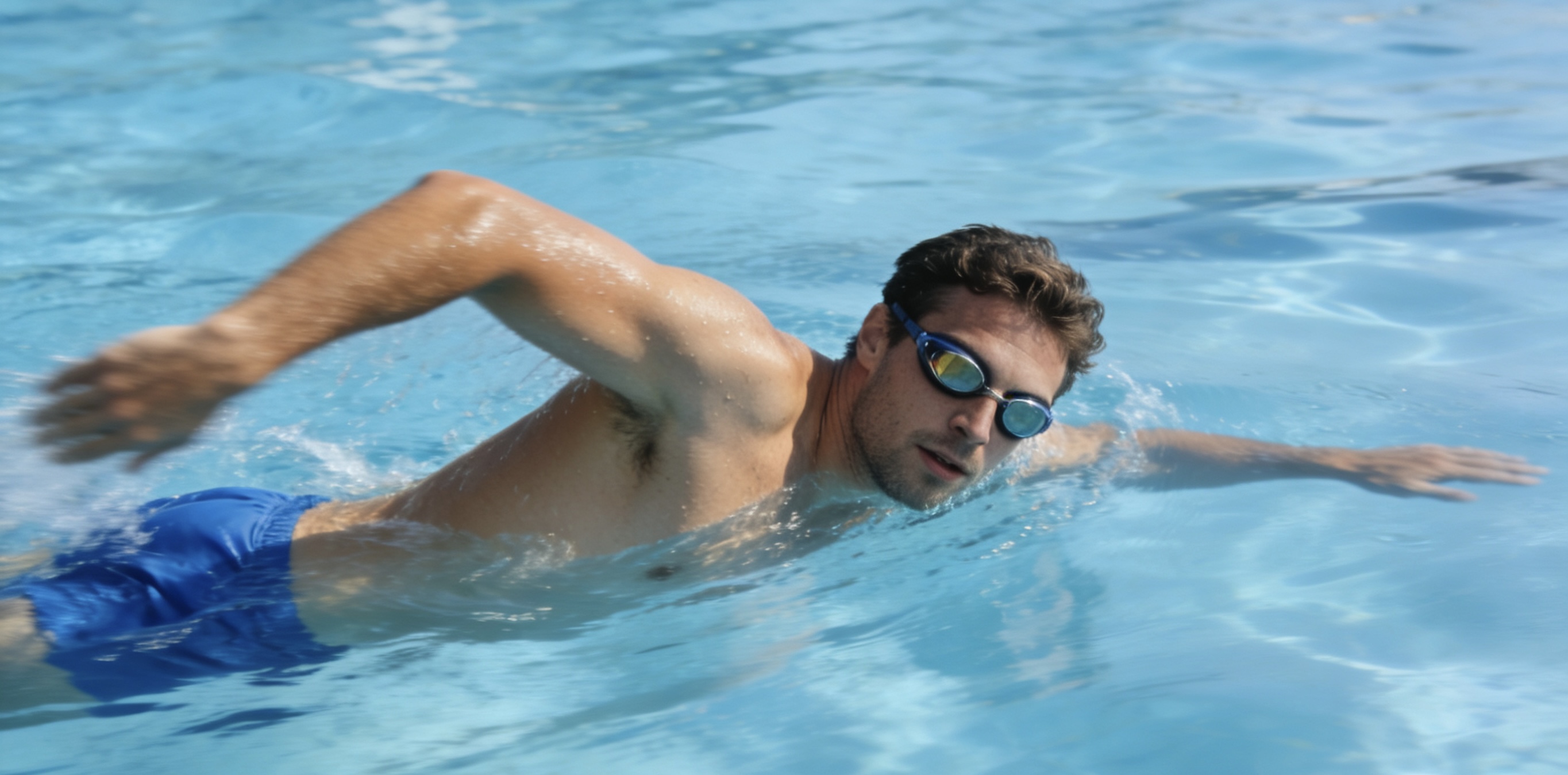
Health Tips for Safe Swimming and Scientific Winter Swimming
This article details five key points for preventing drowning and cramps while swimming in summer, and introduces the benefits of winter swimming in boosting immunity and slowing aging. Mastering scientific health knowledge can help men avoid risks and strengthen their bodies during water sports. These practical health tips will allow you to swim worry-free in all four seasons.
2026-03-19