
Be wary of unhealthy eating habits: Skipping breakfast and fatty liver.
Skipping breakfast is extremely harmful.
It's crucial to ensure you get the necessary nutrients and maintain good health. However, many people, especially urban office workers, often neglect breakfast.
Skipping breakfast is very harmful to your health. After a night's sleep, the stomach contents are mostly digested, and sufficient food is needed to replenish what's been consumed. If you skip breakfast, your body won't have enough energy to sustain you through the morning's activities, leading to hunger, fatigue, dizziness, stomach pain, and decreased energy. Over time, this can cause many diseases.
Hypoglycemia. Upon waking in the morning, after a night's sleep, food has been largely absorbed. Blood sugar levels are low and need to be replenished through food. Going to work without breakfast will cause blood sugar levels to drop further. If they fall below 2.78 mmol/L, symptoms of hypoglycemia will appear, including paleness, cold sweats, palpitations, weakness in the limbs, and nausea. In severe cases, it can be life-threatening.
Gastrointestinal diseases. Gastric juice secretion is related to eating; it decreases when not eating and increases significantly after eating. Skipping breakfast and then consuming large meals at lunch and dinner causes excessive gastric juice secretion, which not only irritates the gastric mucosa but also reduces gastrointestinal digestive function and weakens the gastrointestinal tract's resistance. Therefore, people who regularly skip breakfast are more prone to gastritis and ulcers.
Bile duct diseases. Food is a natural stimulus for bile secretion and excretion. When not eating, bile produced by the liver flows through the bile ducts into the gallbladder for storage; during meals, it is excreted from the gallbladder into the duodenum for digestion. If breakfast is skipped, the bile stored in the gallbladder cannot be excreted regularly. Long-term bile accumulation can lead to gallstones, cholecystitis, and other biliary duct diseases.
Therefore, skipping breakfast is unscientific and only harms our health. Men should definitely develop the habit of eating breakfast.
Diet and Fatty Liver
The liver is a vital organ. When various factors impair its fat metabolism function, fat accumulates in the liver's cells. Fatty liver is defined as when more than 5% of hepatocytes are histologically fatty.
Fatty liver sometimes presents without symptoms, but the resulting pathological changes in the liver are serious. Liver biopsy reveals fatty degeneration, periportal fibrosis, and cholestasis. In severe cases, it can lead to hepatomegaly, pain or tenderness, and elevated transaminase levels. It can further progress to cirrhosis, severely impacting lifespan and health.
Choosing a healthy lifestyle, including a balanced diet, adequate nutrition, and weight control, is key to preventing fatty liver.
Control calorie intake to burn fat within hepatocytes.
Obese individuals should gradually lose weight to achieve a healthy weight. Limit the intake of fat and carbohydrates.
A high-protein diet can protect hepatocytes and promote their repair and regeneration. When consuming protein, high-quality protein should make up an appropriate proportion, such as soy products like tofu and dried bean curd, lean meat, fish, shrimp, and skim milk.
Ensure an adequate supply of fresh vegetables, especially leafy greens, to meet the body's vitamin needs.
Drink enough water to promote metabolism and the excretion of metabolic waste.
Eat more foods rich in methionine, such as millet, oat flour, sesame seeds, rapeseed, spinach, cauliflower, and beets, which can promote phospholipid synthesis and assist in the metabolism of fat in liver cells.
Alcohol can worsen liver toxicity and promote fatty liver formation; therefore, alcohol should be avoided or consumed in moderation.
Participating in physical exercise is a good way to prevent and treat fatty liver.
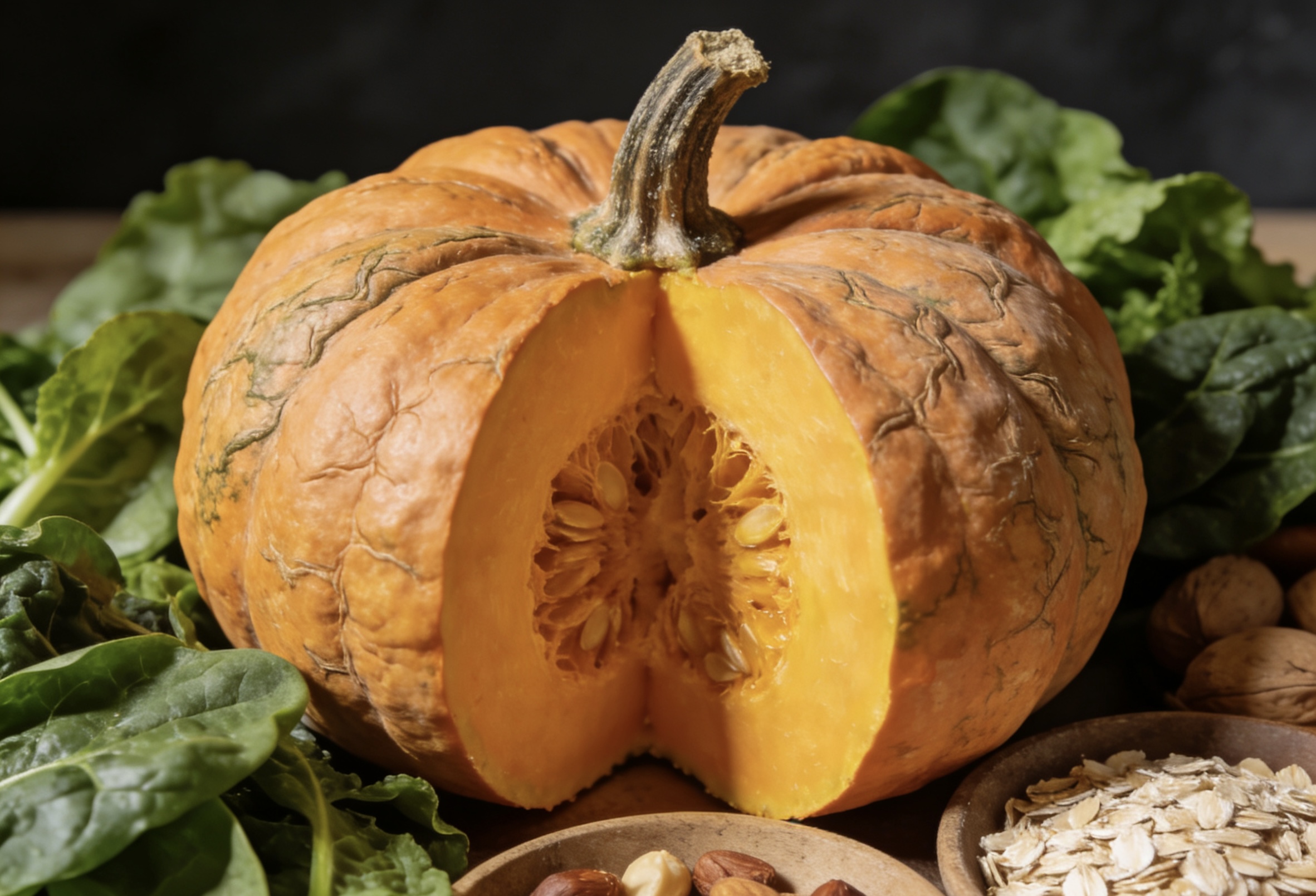
Foods that promote bowel movement and detoxification, and the detoxifying effects of pumpkin.
This article introduces foods that promote bowel movement and detoxification, such as black fungus, konjac, and kelp, and details the rich nutritional benefits of pumpkin, including its ability to replenish qi, prevent diabetes, and remove heavy metals. Detoxification through a scientific diet is an important way to maintain good health. Proper dietary detoxification makes the body feel lighter.
2026-03-17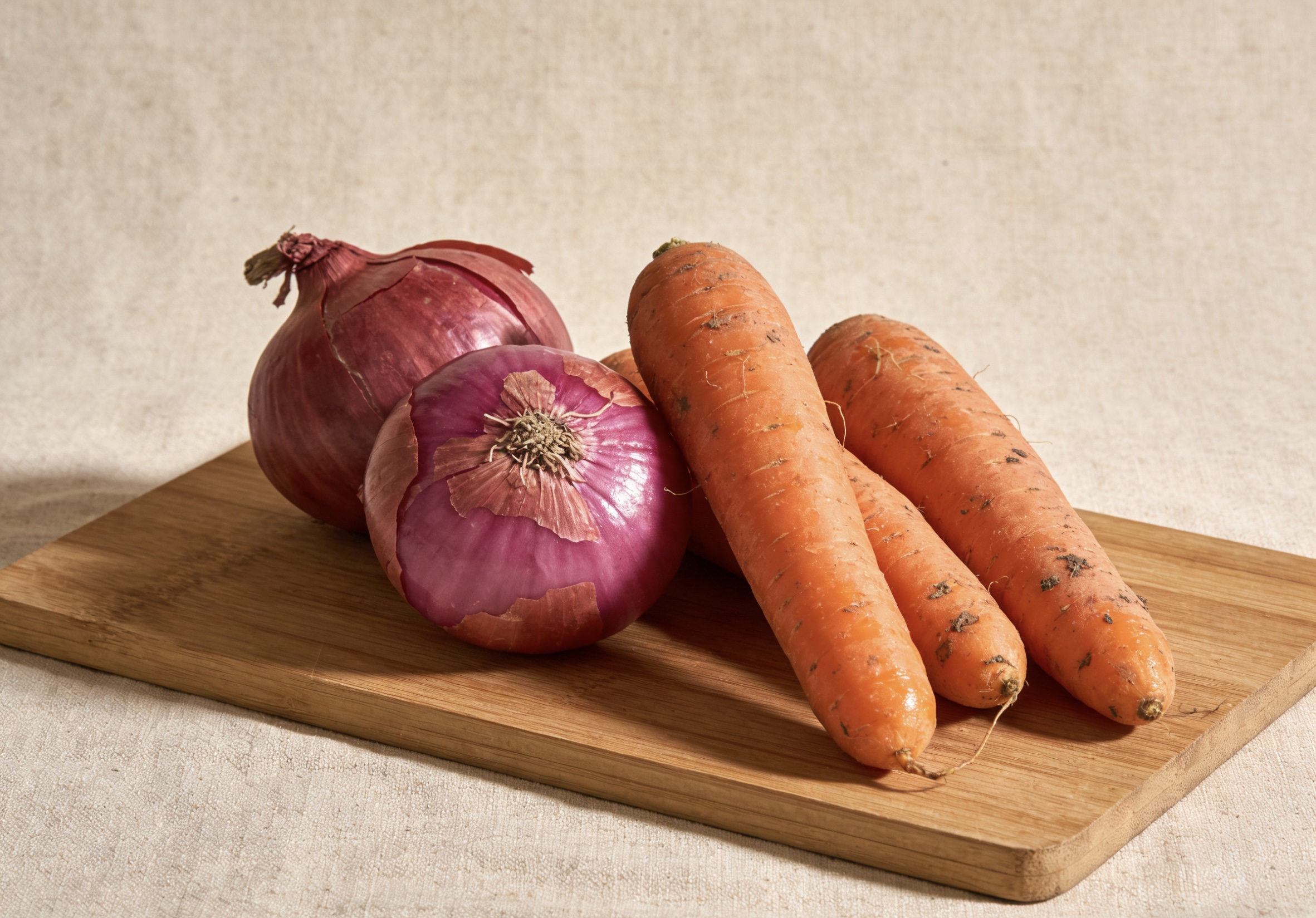
Health benefits of onions and carrots
This article details the health benefits of onions, known as the "Queen of Vegetables," in lowering blood pressure and cholesterol, and preventing cancer and other diseases, as well as the nutritional advantages of carrots, often called "little ginseng," which are rich in carotene. Mastering these everyday health tips will help men make informed food choices, and scientific health knowledge leads to a healthier diet.
2026-03-17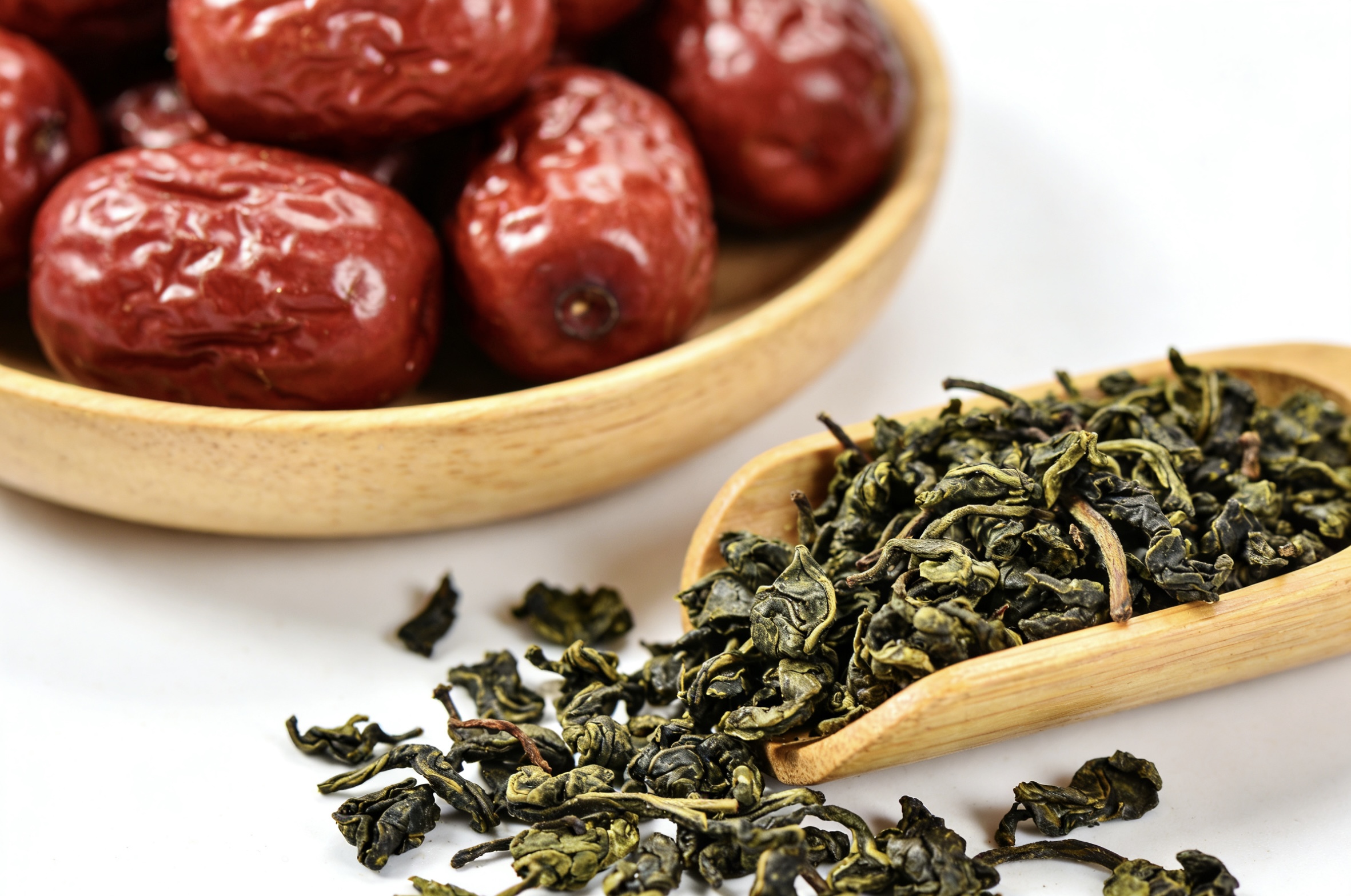
Jujubes and green tea: Two excellent health products and common health knowledge
This article details the health benefits of jujubes, including their ability to invigorate qi and blood, protect the heart, and fight cancer, as well as the scientific basis for the role of polyphenols in green tea in inhibiting esophageal cancer. Mastering these everyday health tips will help men make informed choices about drinks and foods. Practicing correct health knowledge will allow health to become a part of every day.
2026-03-17