
Breakfast for a Healthy Stomach and Autumn Nourishment Guide
Stomach Health and Breakfast
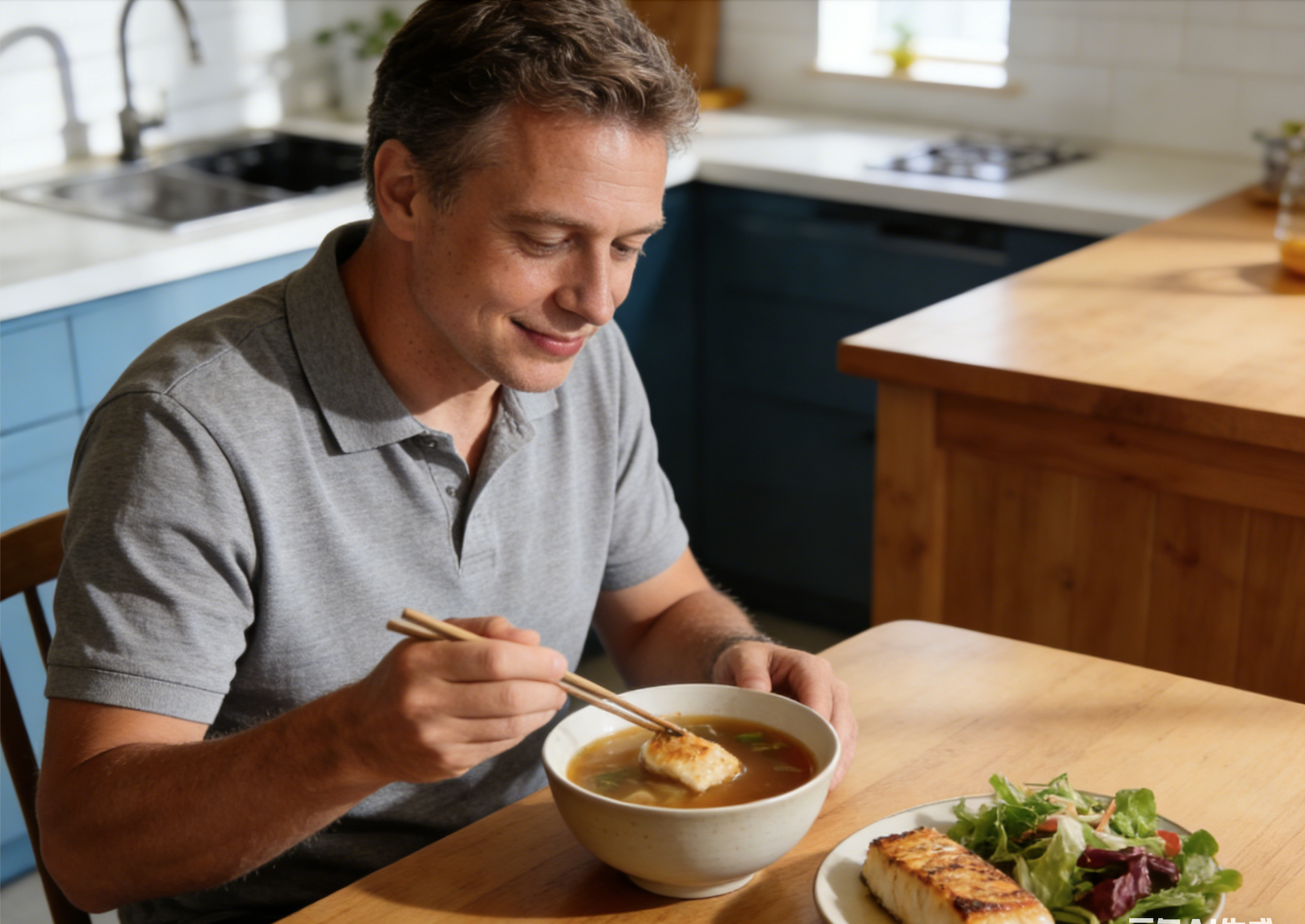
Busy work schedules often reduce men's rest time, leading to late wake-up times and the option to eat a quick bite or skip breakfast altogether. While this may seem convenient, it's very harmful to health. Over time, the stomach will "protest." Eating breakfast is crucial for stomach health. After a night's sleep, the body's stored glucose is depleted, urgently needing replenishment of energy and nutrients. If the stomach acid secreted overnight isn't neutralized by food, it will irritate the stomach lining, causing discomfort and potentially leading to inflammation and ulcers. Furthermore, skipping breakfast prevents the replenishment of water and nutrients lost overnight, increasing blood viscosity and hindering the elimination of waste products, thus increasing the risk of gallstones, stroke, and myocardial infarction. Therefore, eating breakfast is essential, and the following two points should be noted to promote stomach health:
Eat a warm breakfast. In the morning, the lingering yin energy of the night and the earth's temperature haven't yet risen. The muscles, nerves, and blood vessels in the body are still in a contracted state. If you eat cold food at this time, it will inevitably cause further contraction of these systems and impede blood flow.
A balanced breakfast is essential. Balanced means rich in water and nutrients. Milk and soy milk meet these requirements; you can choose one. You should also add other "dry" foods, because grains are quickly broken down into glucose in the body, correcting any possible low blood sugar after a night's sleep and improving brain activity and the body's utilization of nutrients in milk and soy milk. However, these foods digest quickly, and you'll feel hungry again after two or three hours. Therefore, you should also include adequate protein and fat, such as eggs, soy products, lean meat, and peanuts, to keep you energized throughout the morning. Furthermore, breakfast should not be too oily, especially fried foods, otherwise it will place too heavy a burden on the stomach and intestines and lead to excessive fat intake.
Autumn Nourishment Requires Attention
As autumn arrives, temperatures gradually drop and the weather cools, prompting people to consider nourishing their bodies. Men, in particular, experience significant bodily depletion during the hot summer, making nourishment essential as the weather cools. However, how should one nourish the body to ensure health?
Some believe that nourishment means consuming tonics and supplements, regardless of their individual health condition. They indiscriminately consume large amounts of tonics and supplements, such as ginseng, deer antler, chicken, and pork, calling it "intensive nourishment." Others believe that the summer heat reduces appetite, so they should eat well to replenish what was lost during the summer, a practice known as "sticking to autumn fat." In reality, these methods are unscientific, not only offering no health benefits but also wasting money and potentially harming health.
Everyone knows that in summer, high temperatures weaken the digestive system, leading to a decreased appetite. Therefore, in daily life, we mostly eat light and easily digestible foods such as fruits, porridge, and soups, which weakens the function of the spleen and stomach. If we immediately consume large amounts of pork, beef, mutton, chicken, or other difficult-to-digest tonics after the autumn chill sets in, it will inevitably increase the burden on the spleen and stomach, and may even damage their normal digestive function. This is like running; you must start with a slow jog before gradually increasing the speed. If you suddenly consume a large amount of difficult-to-digest tonics, the stomach and intestines will have to work overtime to meet this sudden demand. The result will be gastrointestinal dysfunction, indigestion, and the inability to absorb and utilize nutrients, which may even lead to illness.
Therefore, we remind male friends: when taking tonics in autumn, be careful not to damage your spleen and stomach. Take it gradually, starting with small amounts and increasing the quantity. Also, don't forget to eat some vitamin-rich vegetables while taking tonics.
Men's Health Guidelines in Diet for Chronic Enteritis and Constipation
This article details the principles of a low-fat, low-fiber diet for patients with chronic enteritis and the need for patients with constipation to combine whole grains and refined grains and drink plenty of water. Paying attention to dietary details is crucial for maintaining men's health, and scientific knowledge about men's health can help alleviate intestinal discomfort and improve quality of life.
2026-02-28
Dietary prevention and treatment guidelines for coronary heart disease and hypertension
This article details the dietary principles for coronary heart disease, emphasizing the need to control energy and fat intake while increasing dietary fiber. It also introduces the benefits of blood pressure-lowering fruits and vegetables such as watermelon and celery for those with high blood pressure. A scientific diet is fundamental to the prevention and treatment of cardiovascular diseases, and correct dietary knowledge helps protect heart health.
2026-02-28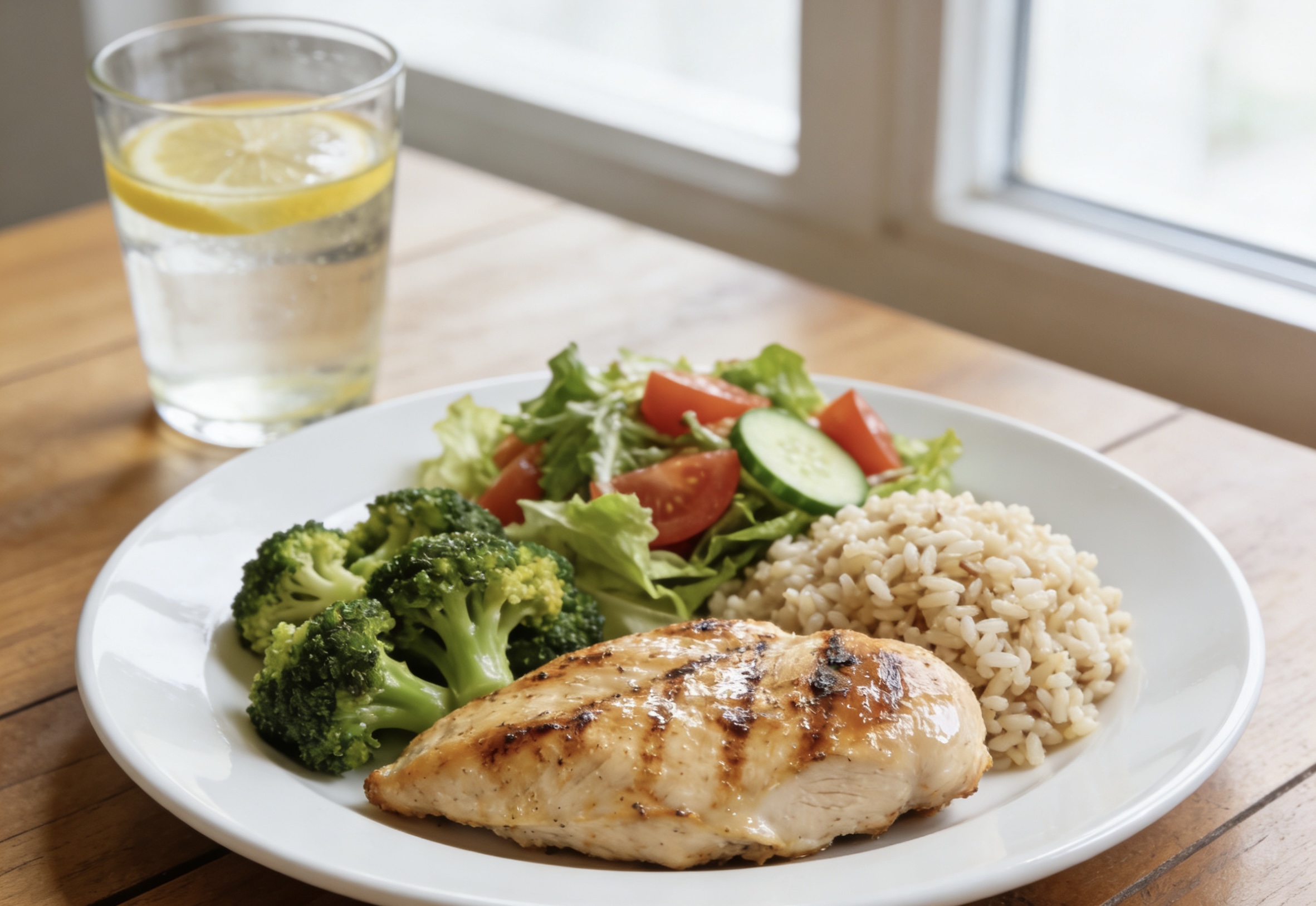
Dietary prevention and treatment of hyperlipidemia and selection of lipid-lowering foods
This article discusses the need for strict control of cholesterol and saturated fatty acid intake in patients with hyperlipidemia and recommends natural lipid-lowering foods such as ginger, garlic, and black fungus. Scientific dietary prevention and treatment are key to improving blood lipids, and effective dietary knowledge can help patients prevent arteriosclerosis.
2026-03-01