
Health Investment and Cold Weather Self-Care Guide for Young Men
Health Considerations for Young Men
Most men in their youth are in relatively good health. However, many career-driven men, busy with their pursuit of success, often neglect investing in their health. By the time they feel their health declining, it's too late to reverse the aging process. Therefore, investing in health as early as possible is crucial.
Generally, starting from age 20, the body's metabolic rate slows by 2% every 10 years. This slowdown leads to fat accumulation. Furthermore, from age 20, muscle strength and lung function also begin to decline. By age 70, all bodily functions will have decreased to one-third of their 20-year-old levels. So, what should be the focus of your health investment during your youth?
Maintain regular exercise. Most changes are due to reduced physical activity. Daily exercise not only slows down the aging process but also strengthens muscles, increases the metabolic rate, and gives you a healthy physique. Choose exercises you enjoy that are not too strenuous to ensure long-term consistency.
Continue to maintain the good health habits developed during adolescence.
Protect your skin from excessive sun exposure. If you must be in the sun, wear sunglasses and a sun hat. Keep your skin moisturized, as it tends to become drier with age.
Hearing begins to decline from age 30 due to excessive noise exposure in modern life. Be mindful of the volume when listening to music and watching television.
Don't smoke; drink alcohol in moderation and maintain a healthy diet.
Practice safe sex.
Have regular medical checkups.
Learn to manage stress in life and work.
Unhealthy lifestyle habits can make you feel cold.
Men who sit in offices for long periods sometimes experience stiff neck and back muscles, lack of warmth in their limbs, and even numbness, cramps, and numbness on the sides of their feet and big toes. This is often related to excessively cold office air conditioning and a personal preference for cold drinks.
Summer's heat and increased sweating lead many to seek refuge in cool, shaded environments. However, air conditioning can impair the excretion and respiration of the skin's sweat glands, preventing effective heat dissipation and causing it to accumulate in the body. Similarly, many young people, seeking coolness, consume large amounts of cold drinks, iced beer, and other frozen foods, disrupting the excretory system, including the skin's sweat glands. This stagnation of heat directly affects the spleen and liver, while excessive temperature fluctuations alter the kidneys' excretory system.
Since the kidneys govern bones, the liver governs tendons, and the spleen governs muscles, weakness in these three organs can lead to deficiency of both qi and blood in the limbs. These symptoms may not fully manifest during the hot summer months, but rather sow the seeds of autumn's coldness. As summer transitions into autumn, the body becomes more susceptible to external pathogens such as wind, cold, and dampness, causing many to experience fatigue, dull eyes, and lack of energy.
How to deal with "cold" in the body? Office workers who experience stiff neck and back muscles, lack of warmth in the limbs, or even numbness, and cramps and numbness on the sides of the feet and big toes, are showing signs of severe exposure to wind and cold. When these symptoms affect a person's mental state and daily life, they should seek medical attention promptly.
In terms of diet, it is advisable to eat less or avoid animal liver, as it can induce rheumatic pain. If you are a sedentary office worker, you should frequently stand up and twist your waist, stretch your shoulder and back muscles, and pat your shoulders, neck, and back upon waking up. Crucially, after the White Dew solar term, it is not advisable to set the air conditioner temperature too low. When using air conditioning, avoid using a fan as well.
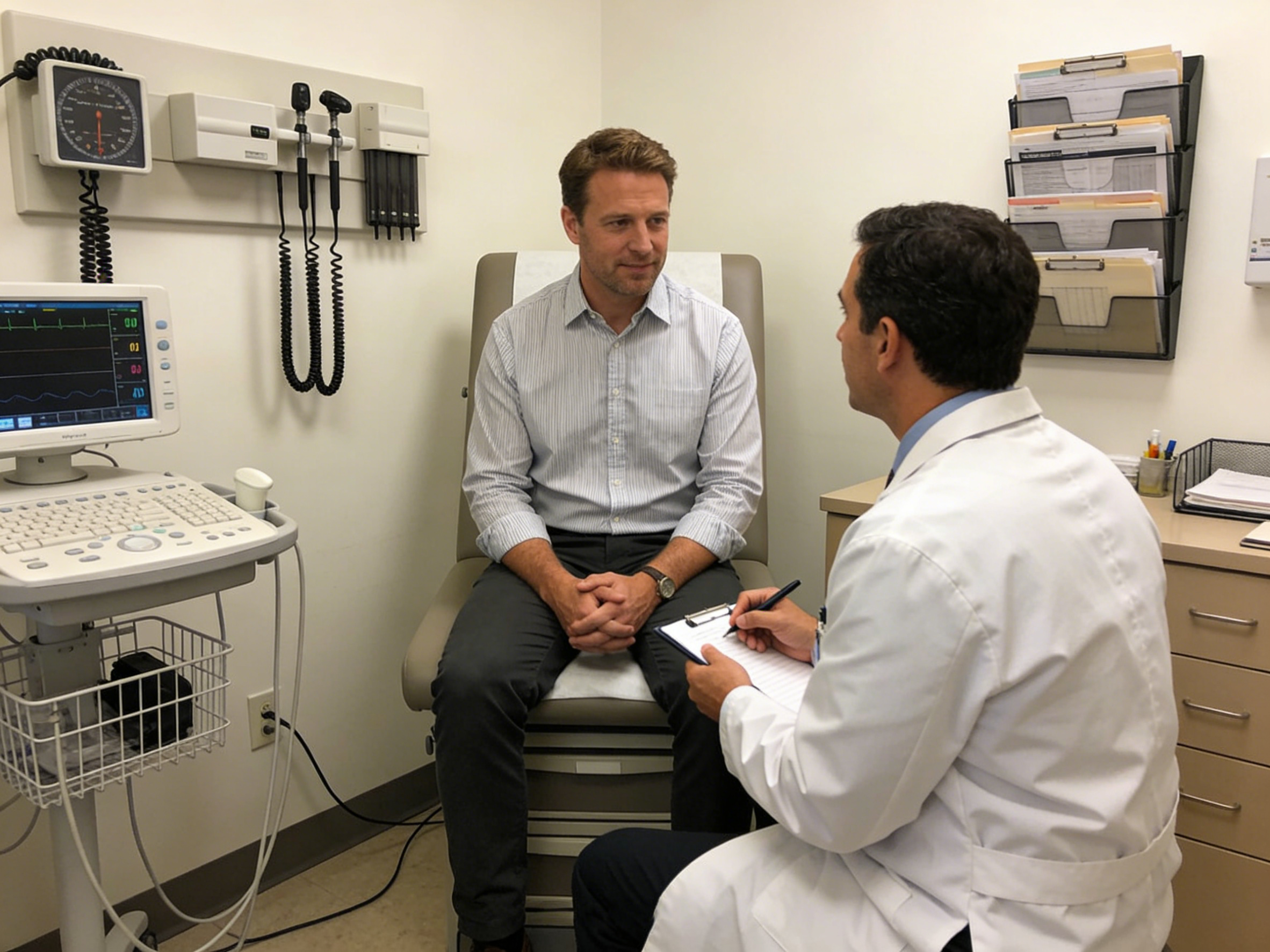
Analysis of the causes of hematospermia and guidelines for the emergency treatment of priapism.
This article provides an in-depth analysis of the clinical significance of gross and microscopic hematospermia, revealing common causes such as seminal vesiculitis. For men's health, it offers a detailed explanation of the neurological and hematologic causes of priapism and provides emergency treatment options ranging from non-surgical cold compresses to surgical shunt procedures, helping you scientifically identify reproductive system warning signs and protect men's health.
2026-03-28Guide to the Prevention and Treatment of Balanitis, Essential Reading for Men's Health
This article introduces the causes, symptoms, and prevention methods of balanitis. Paying attention to men's health, from daily hygiene to standardized treatment, helps you maintain good men's health and prevent recurrence.
2026-03-31Prevention and treatment of scrotal eczema and orchitis: essential reading for men's health.
This article details the causes, symptoms, and prevention of scrotal eczema and orchitis. Focusing on men's health, from daily care to standardized treatment, this article provides scientific guidance for your male well-being.
2026-03-31